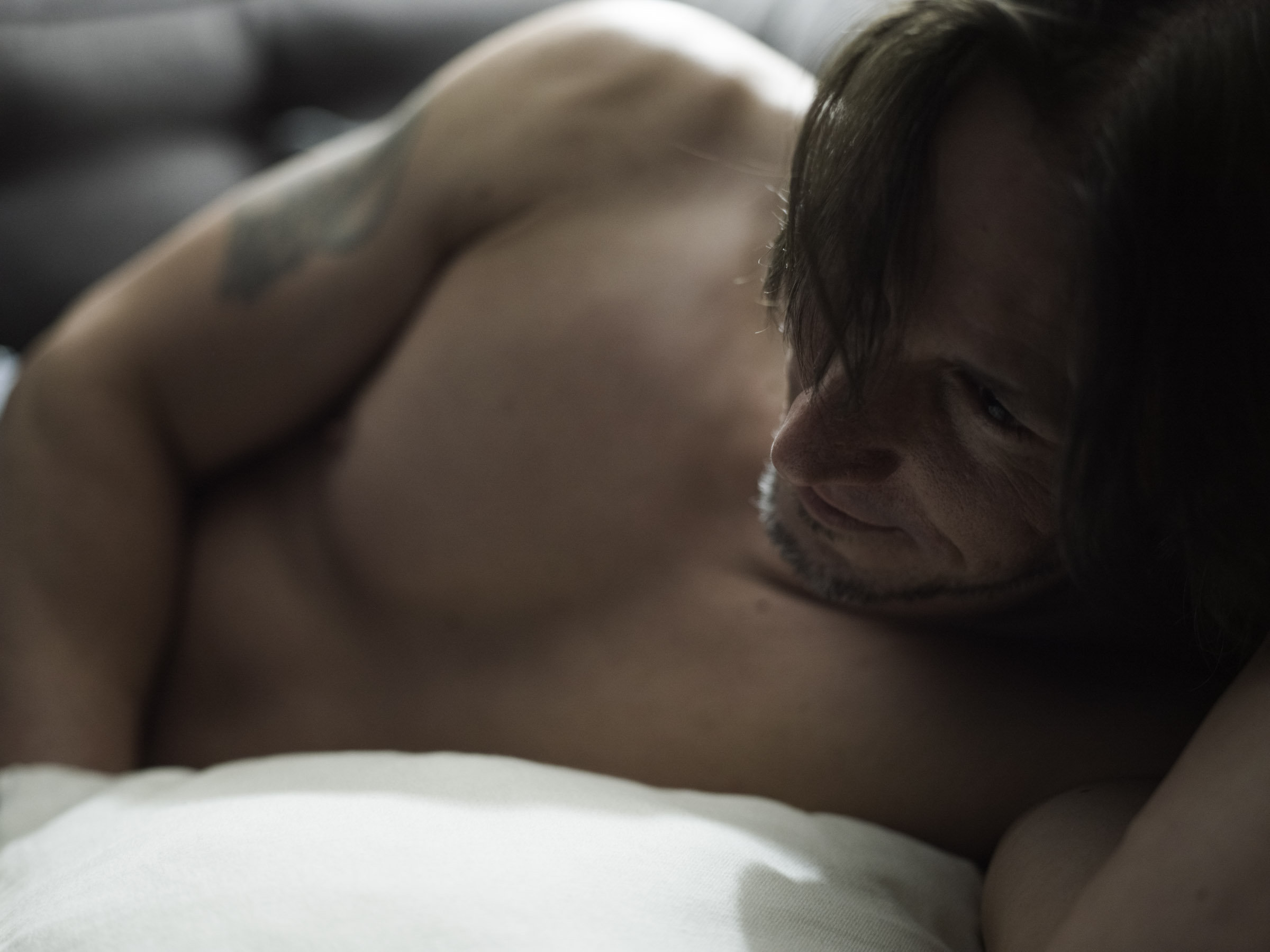
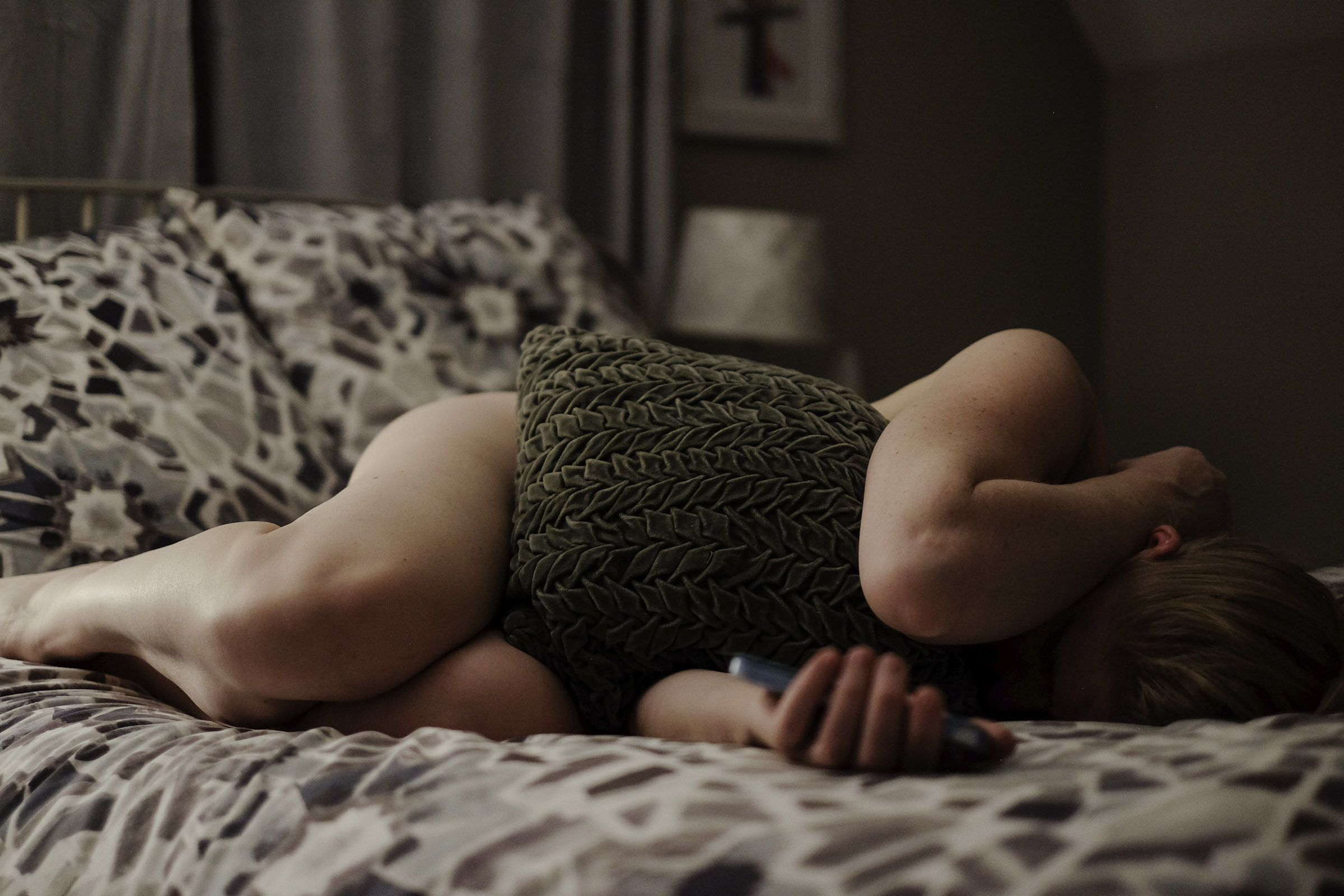
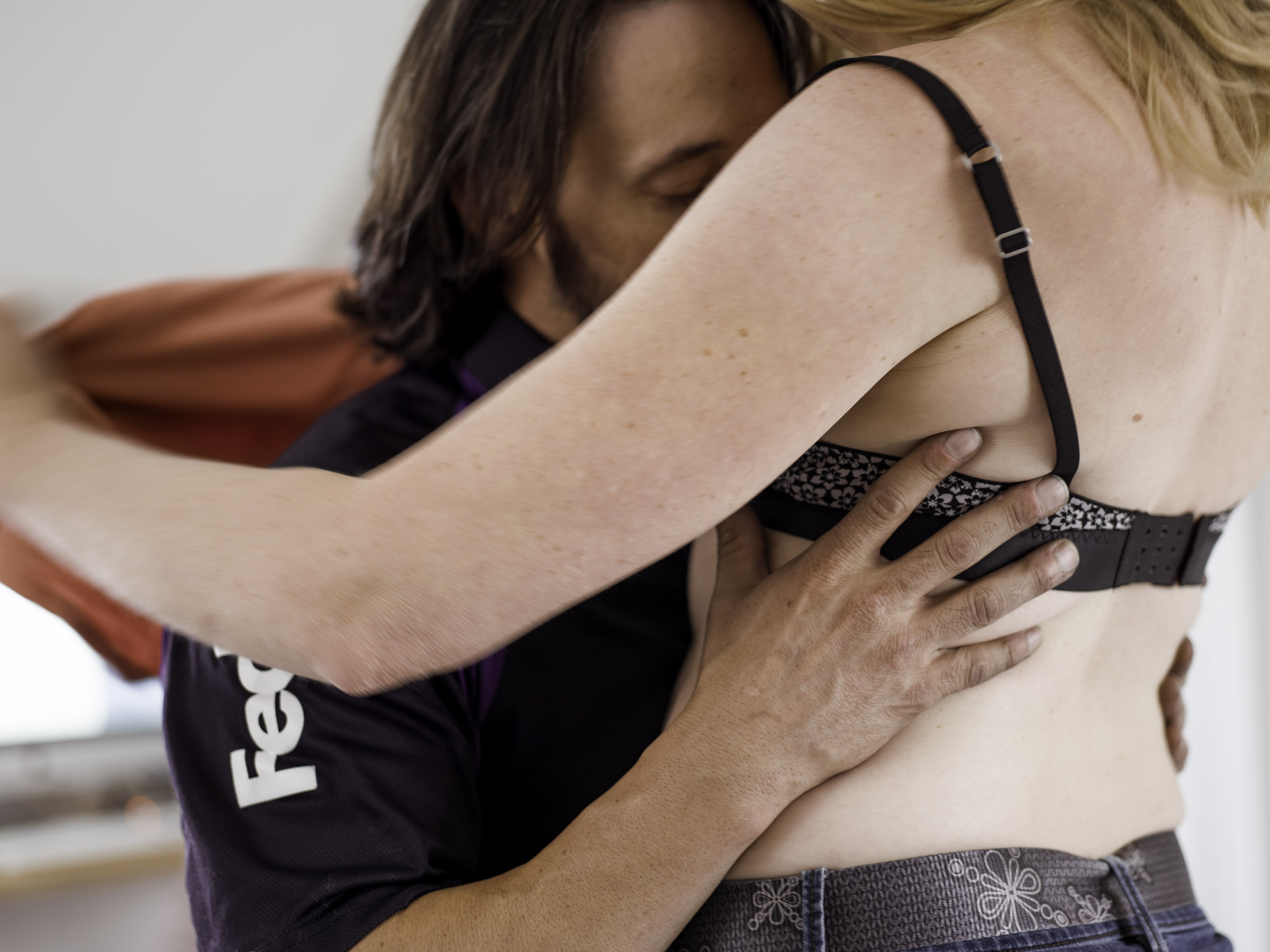
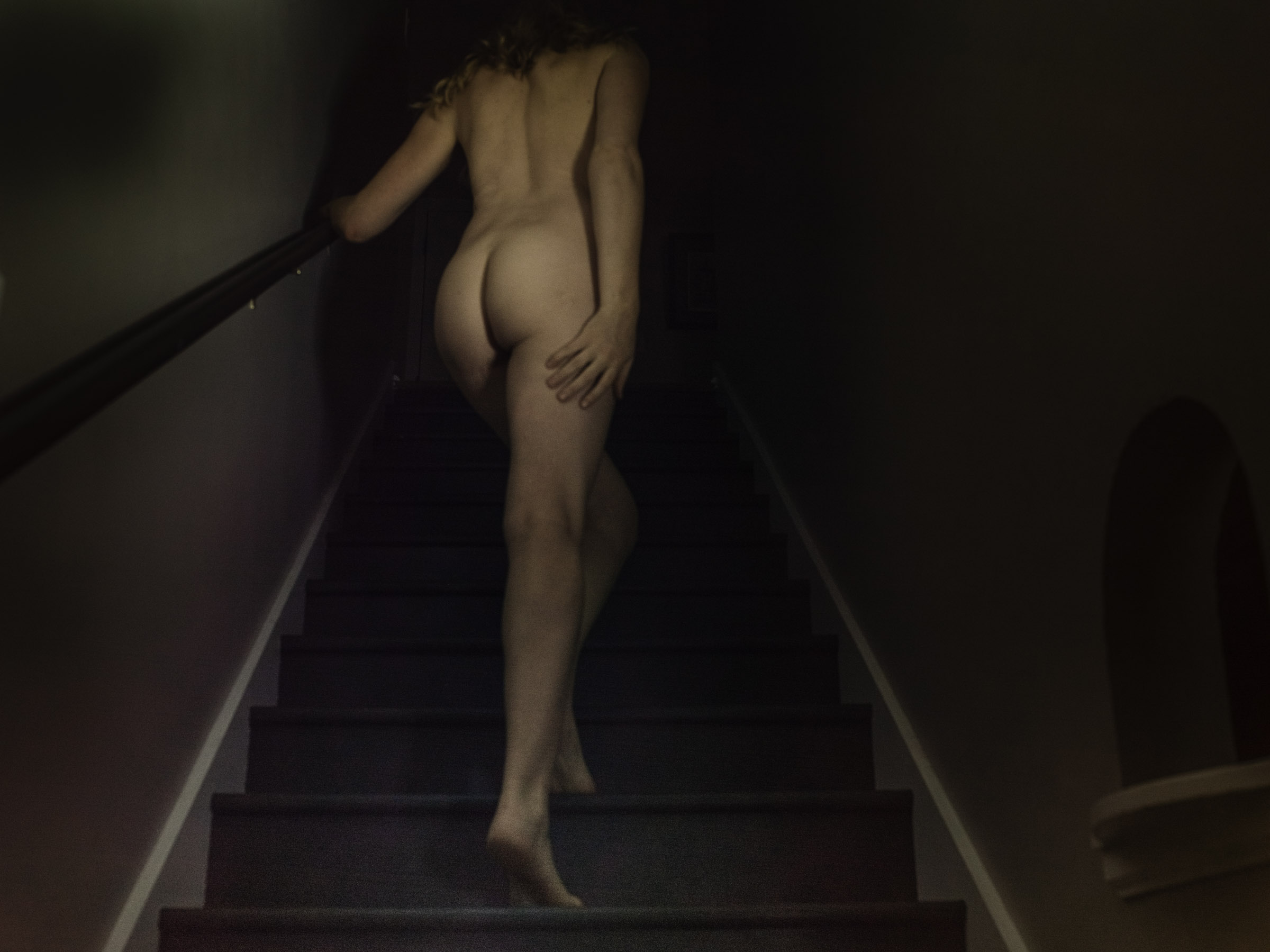
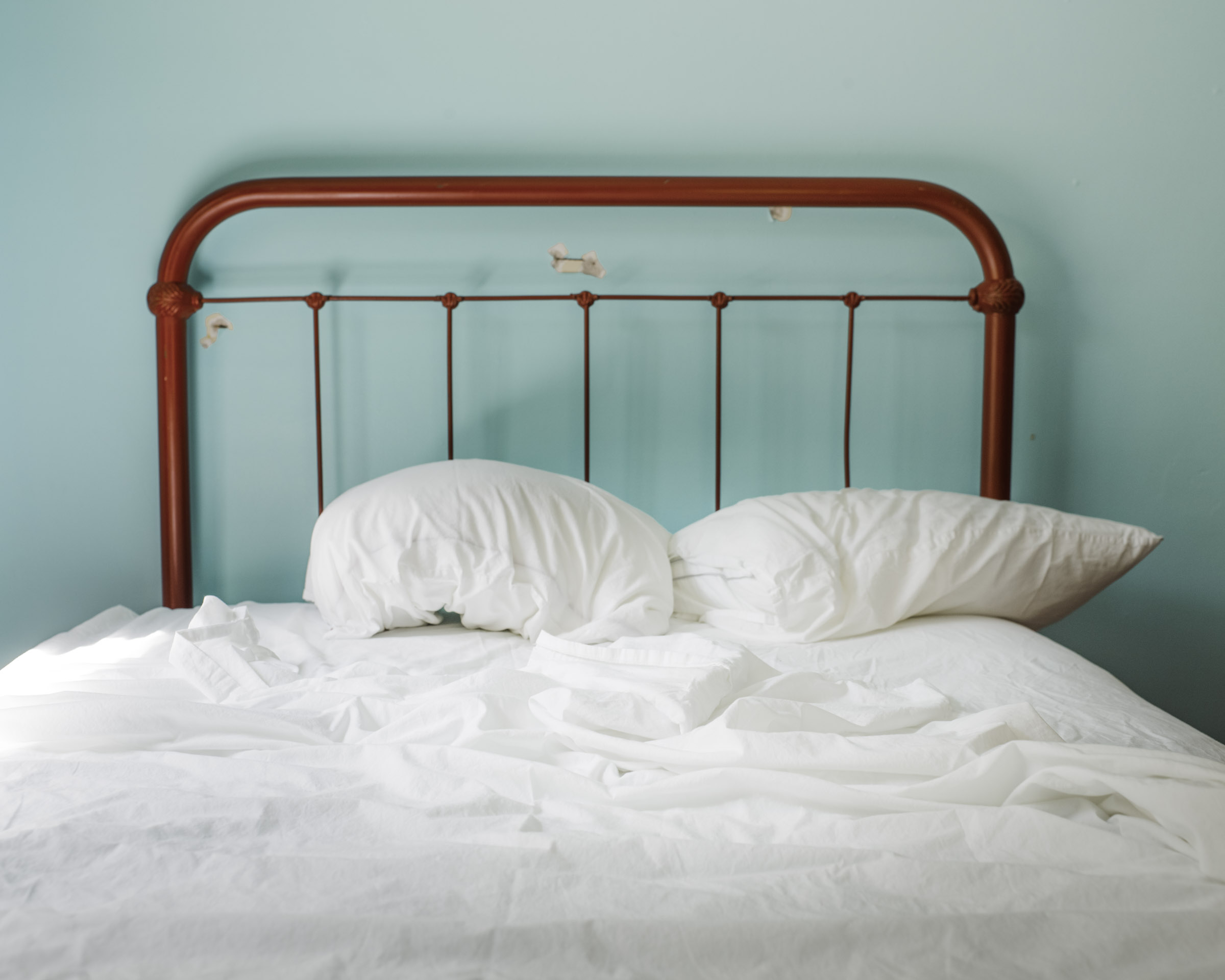
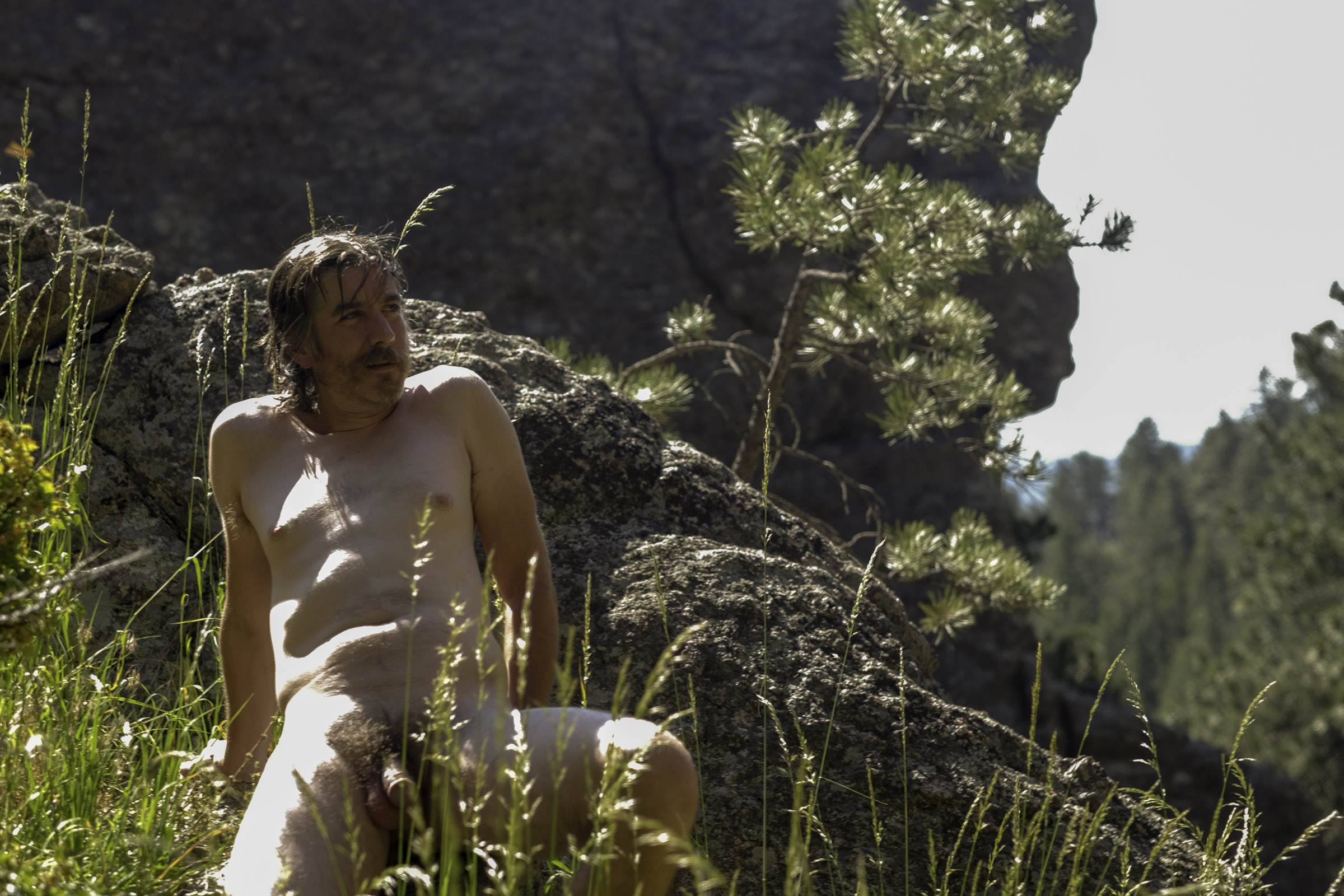
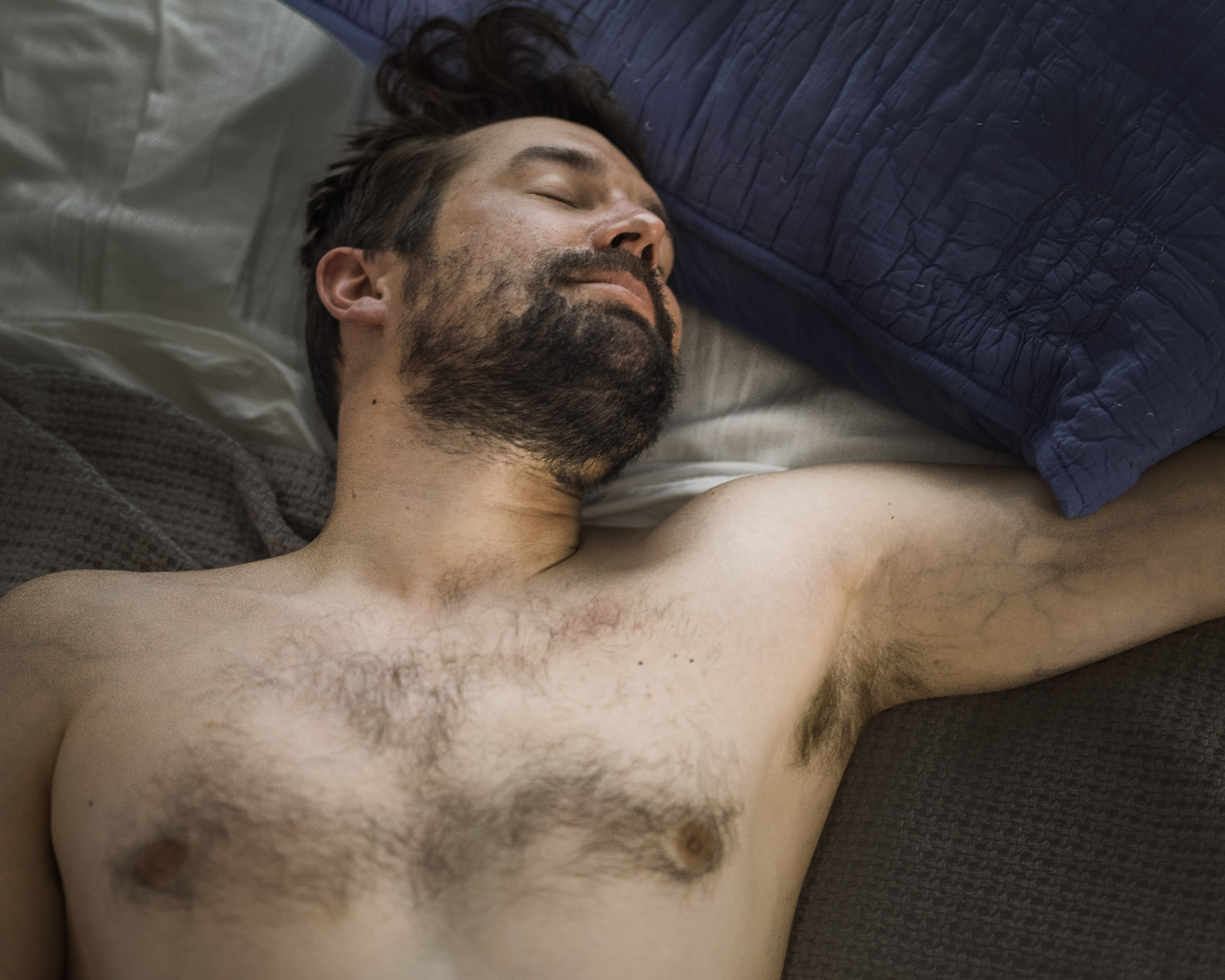
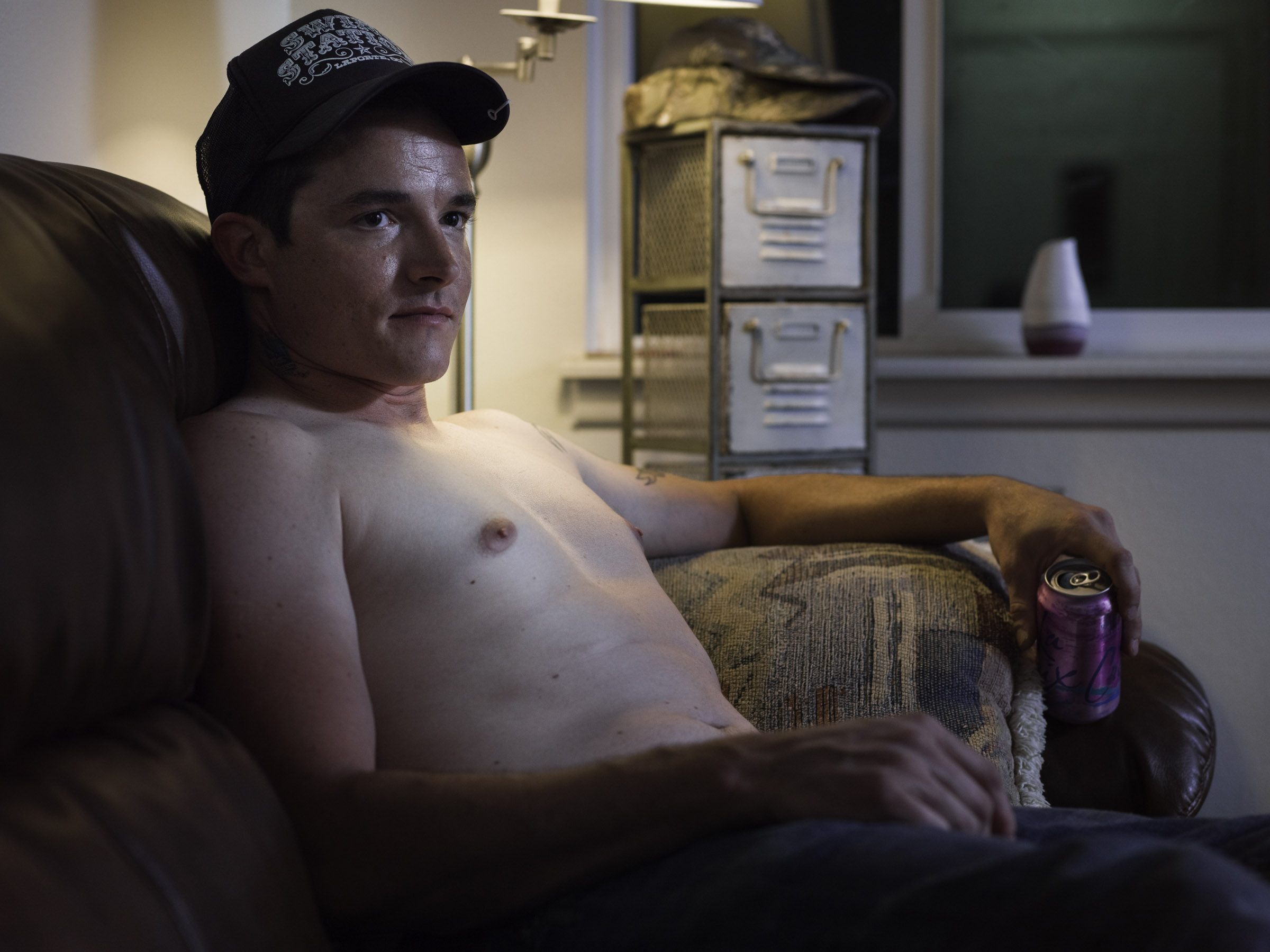
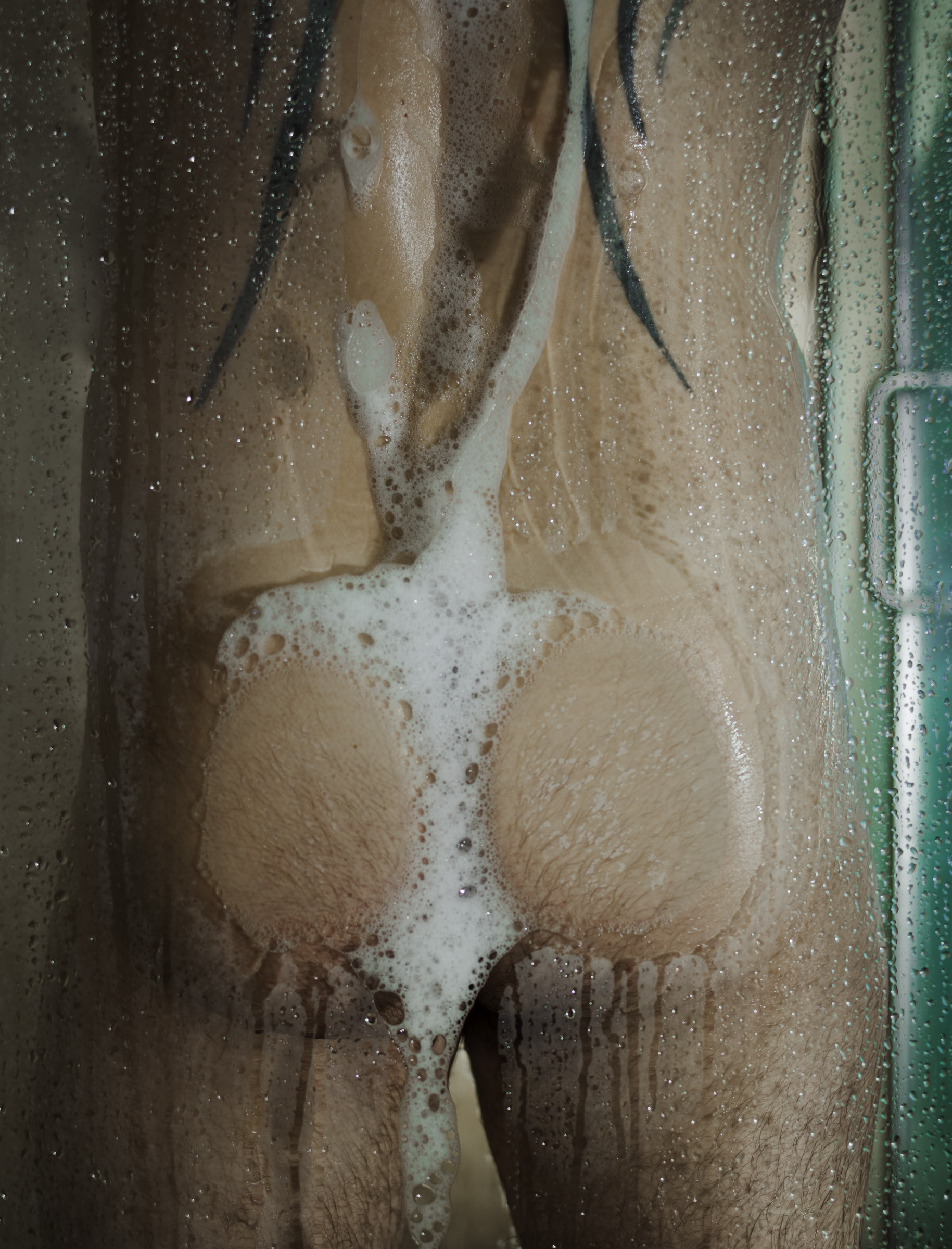
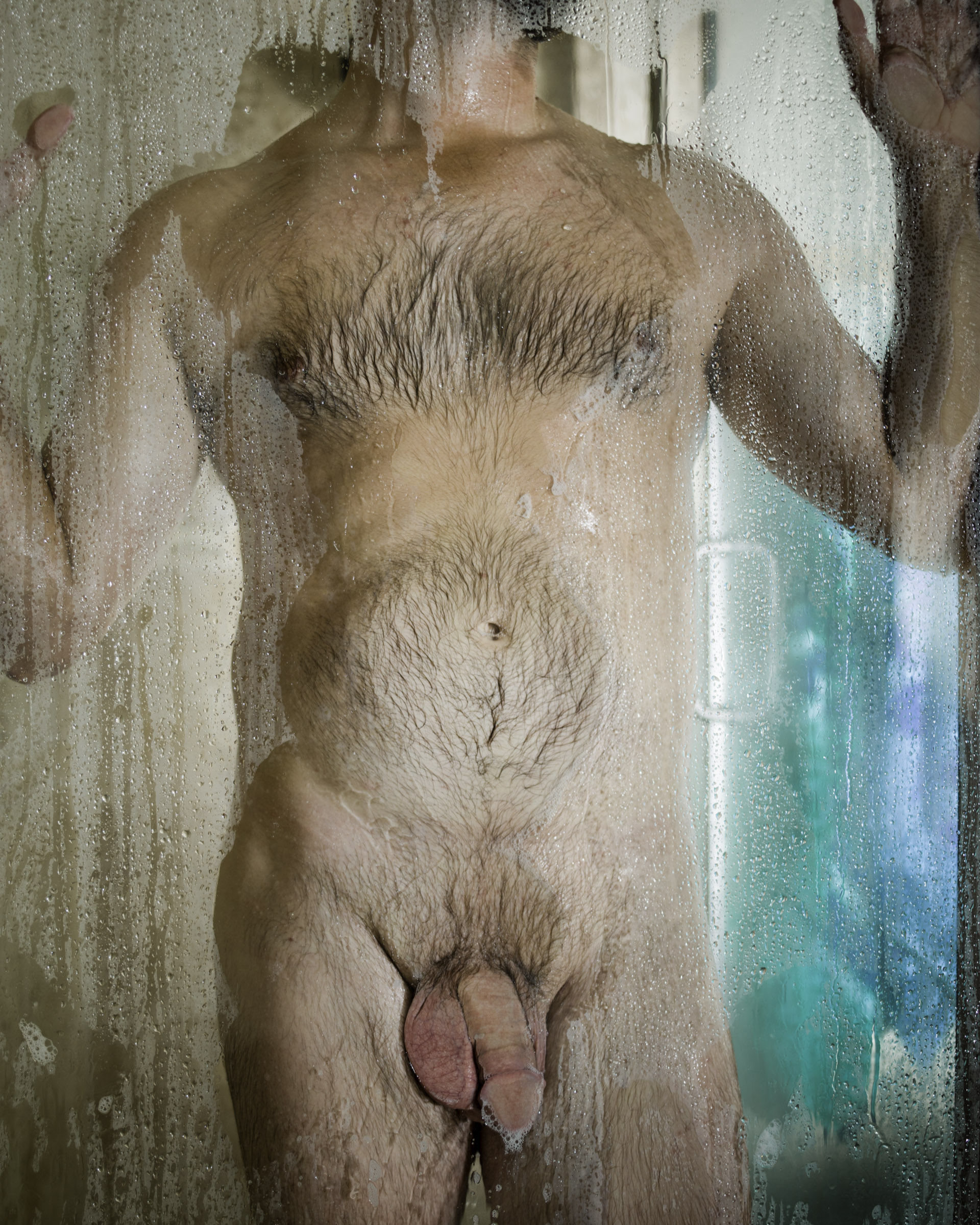
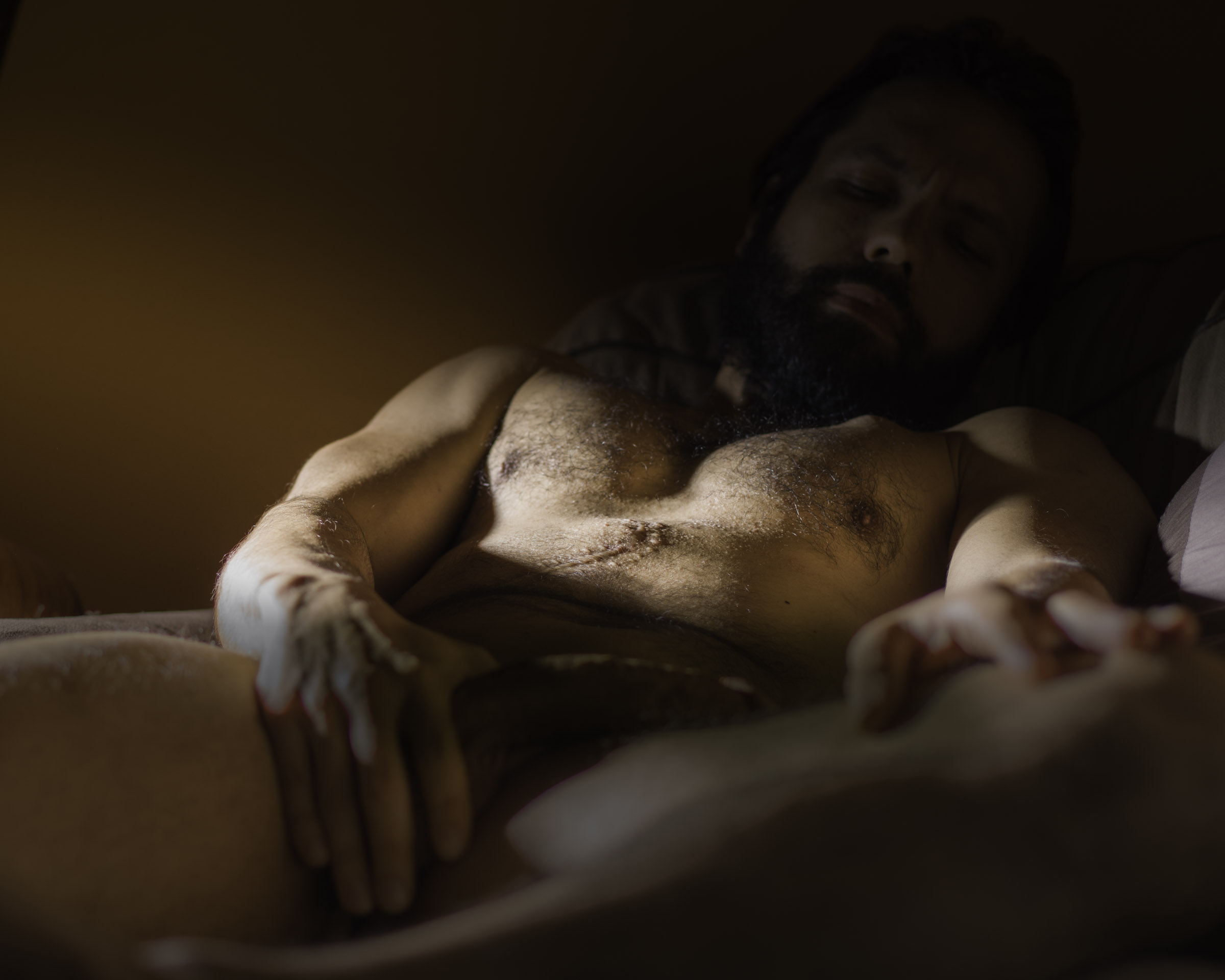
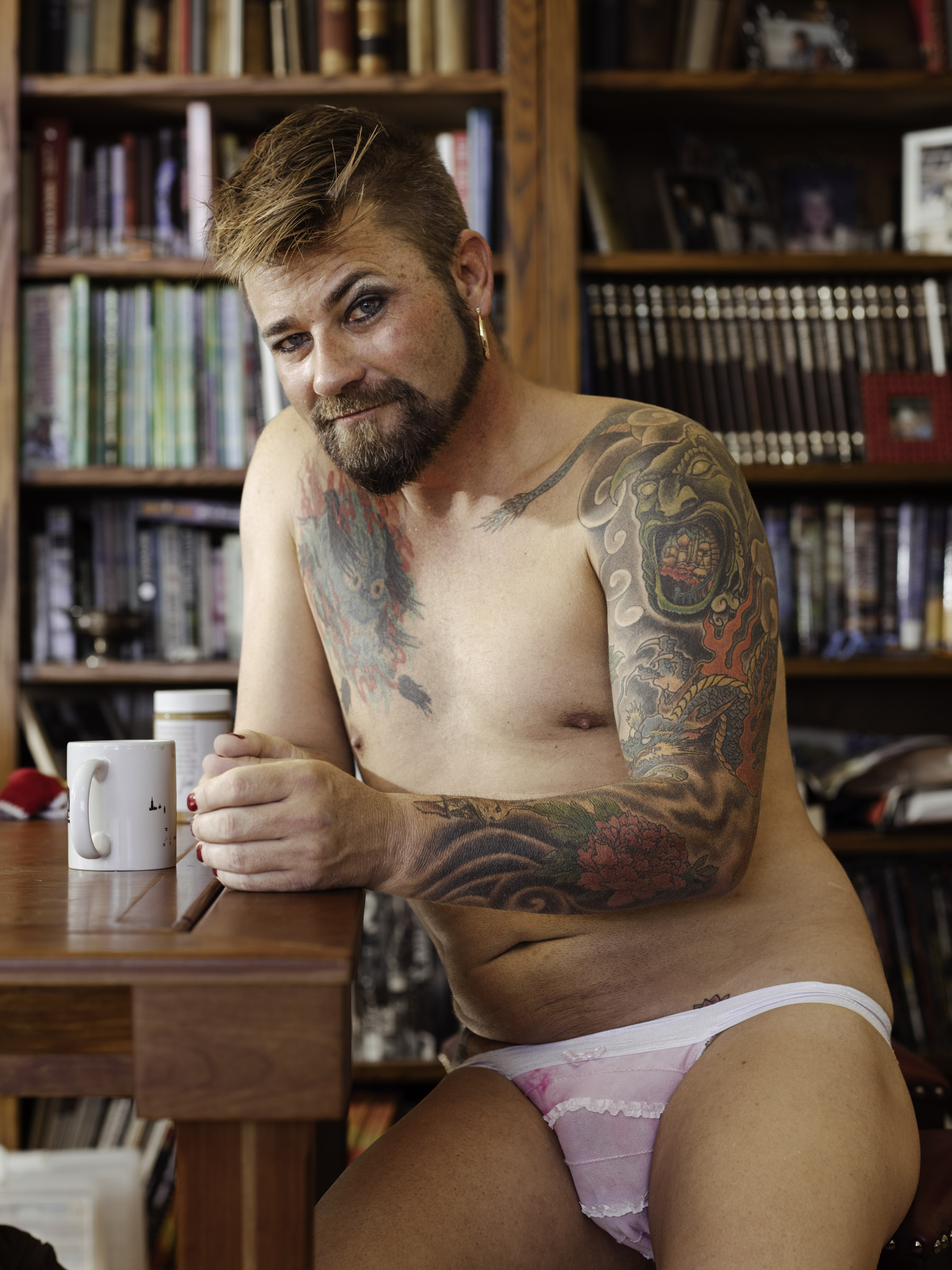
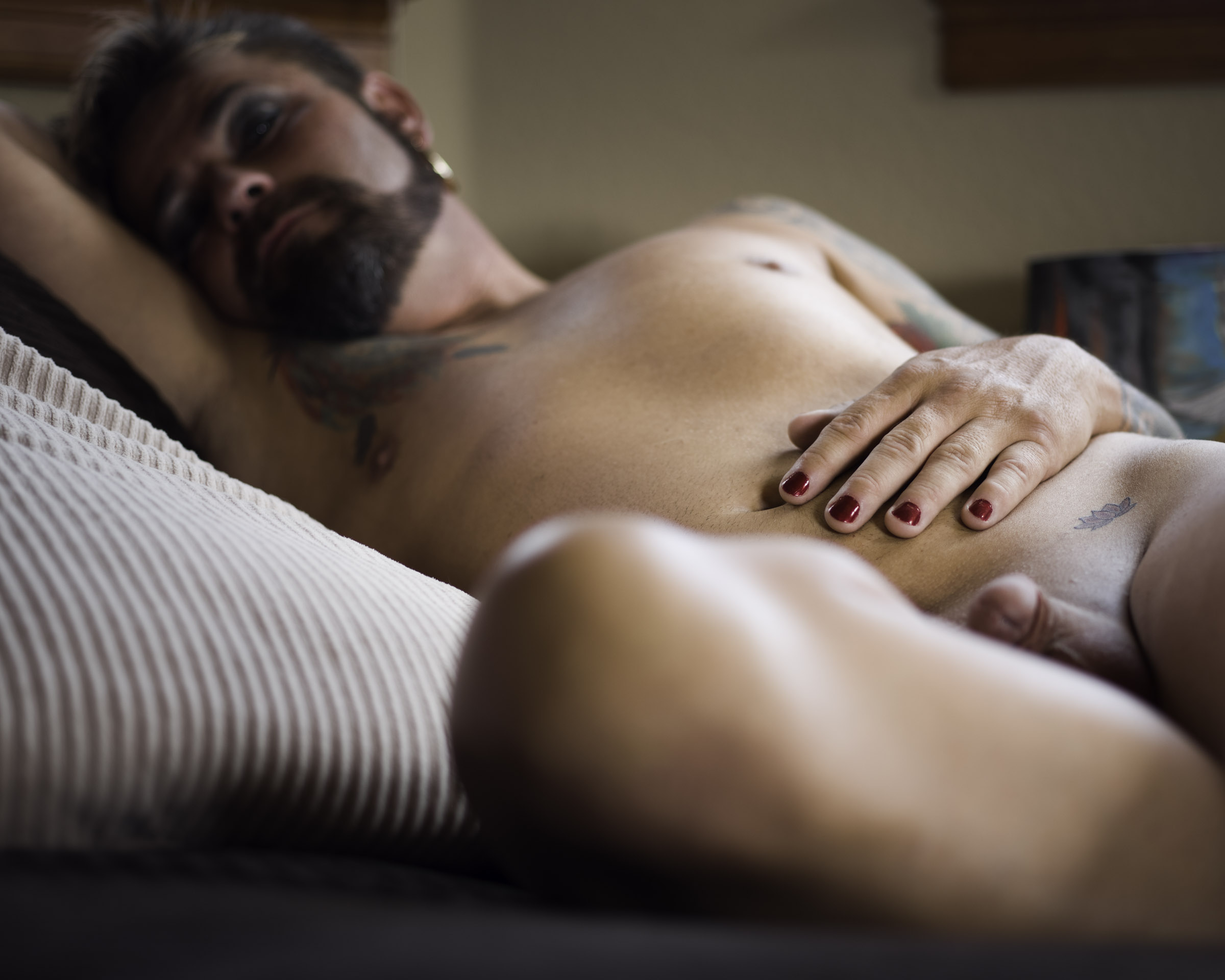
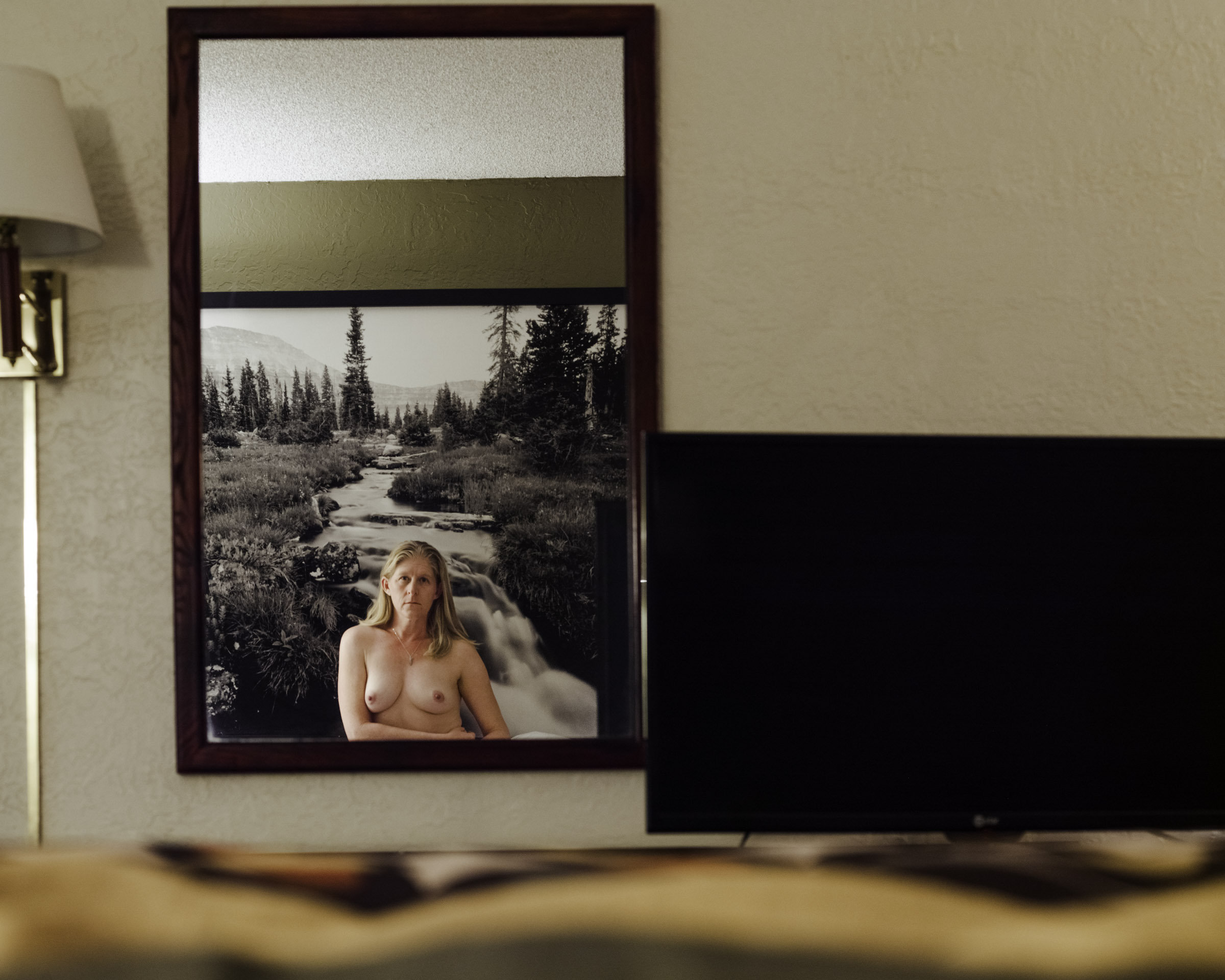
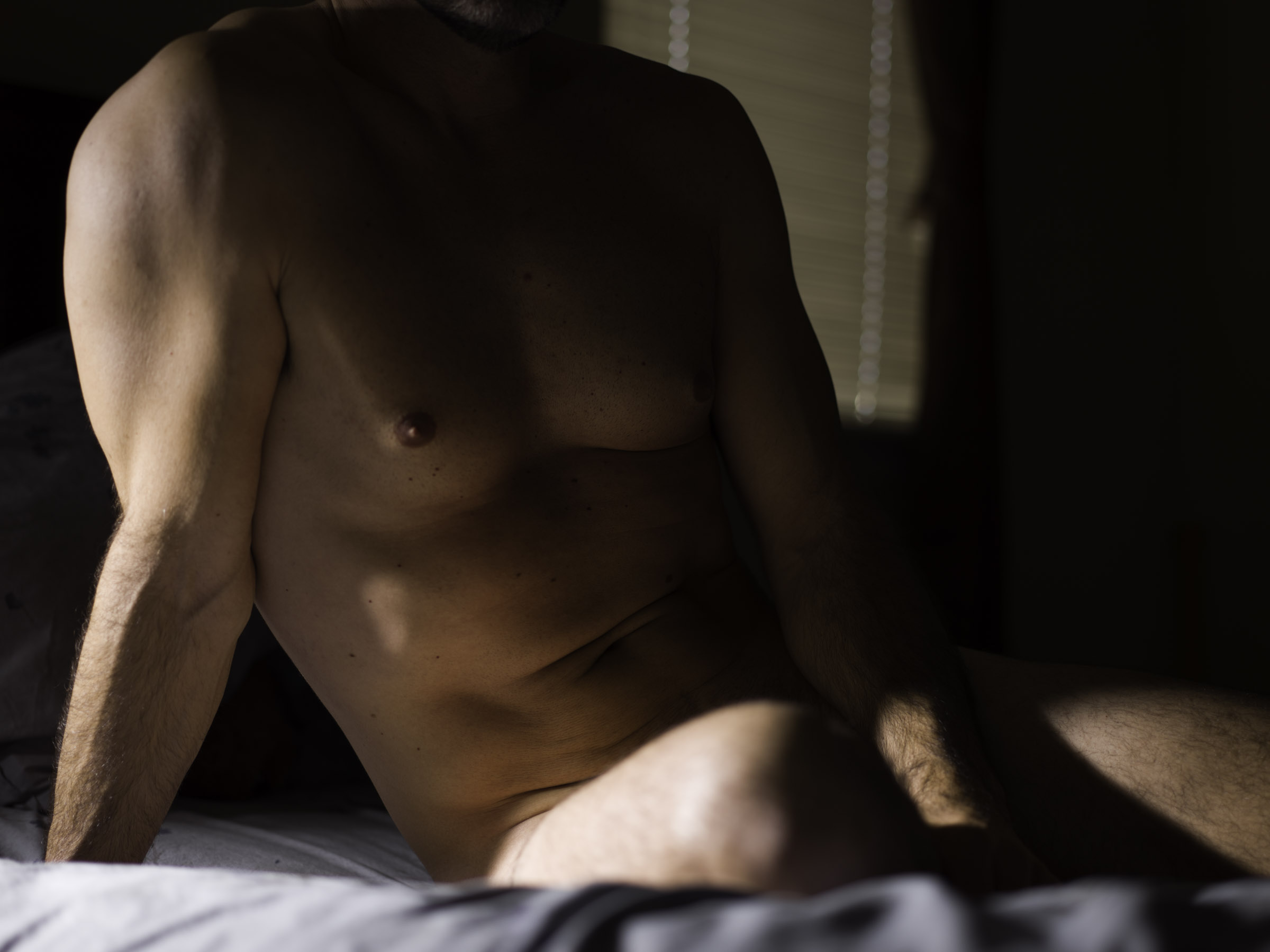
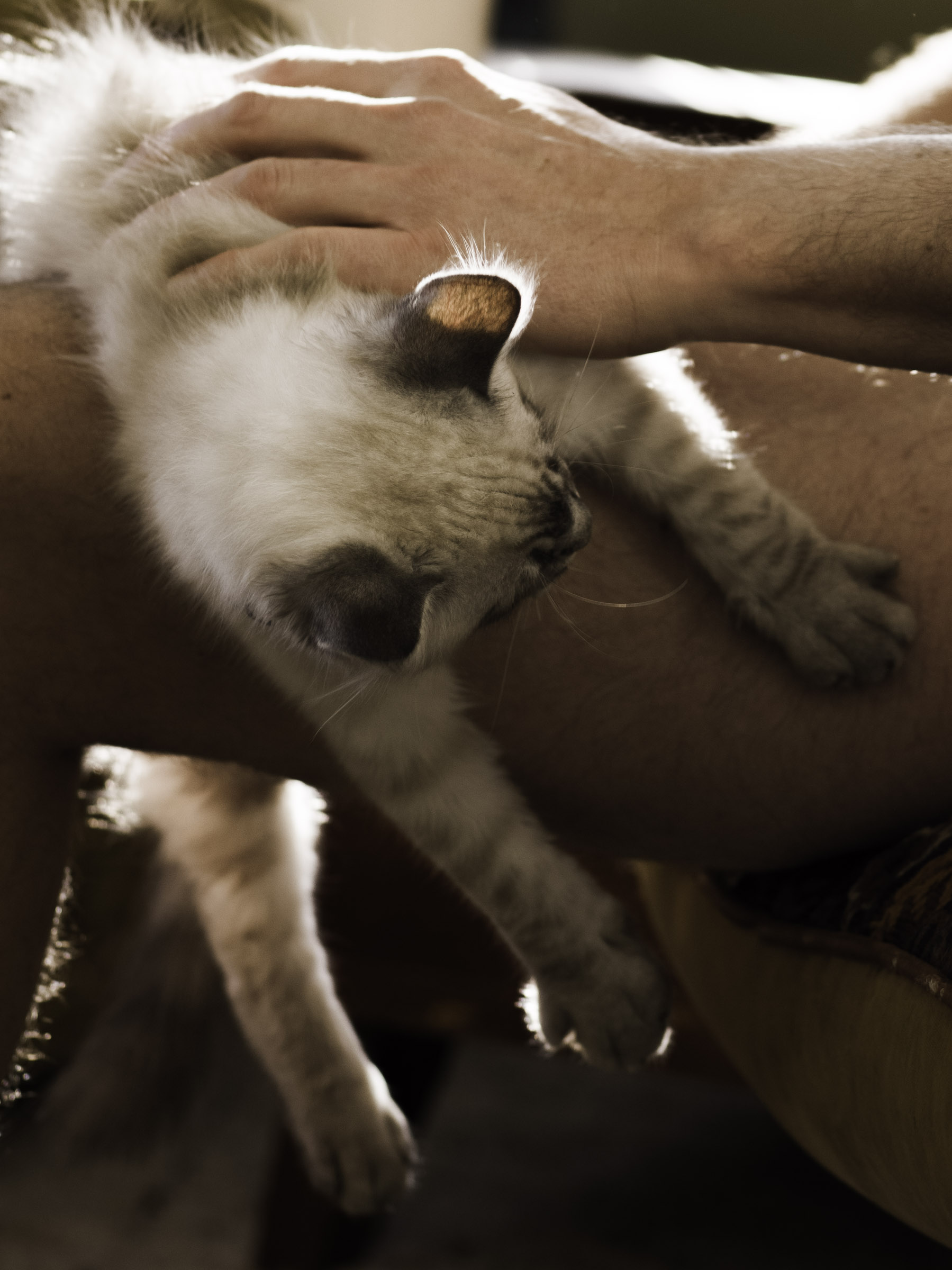
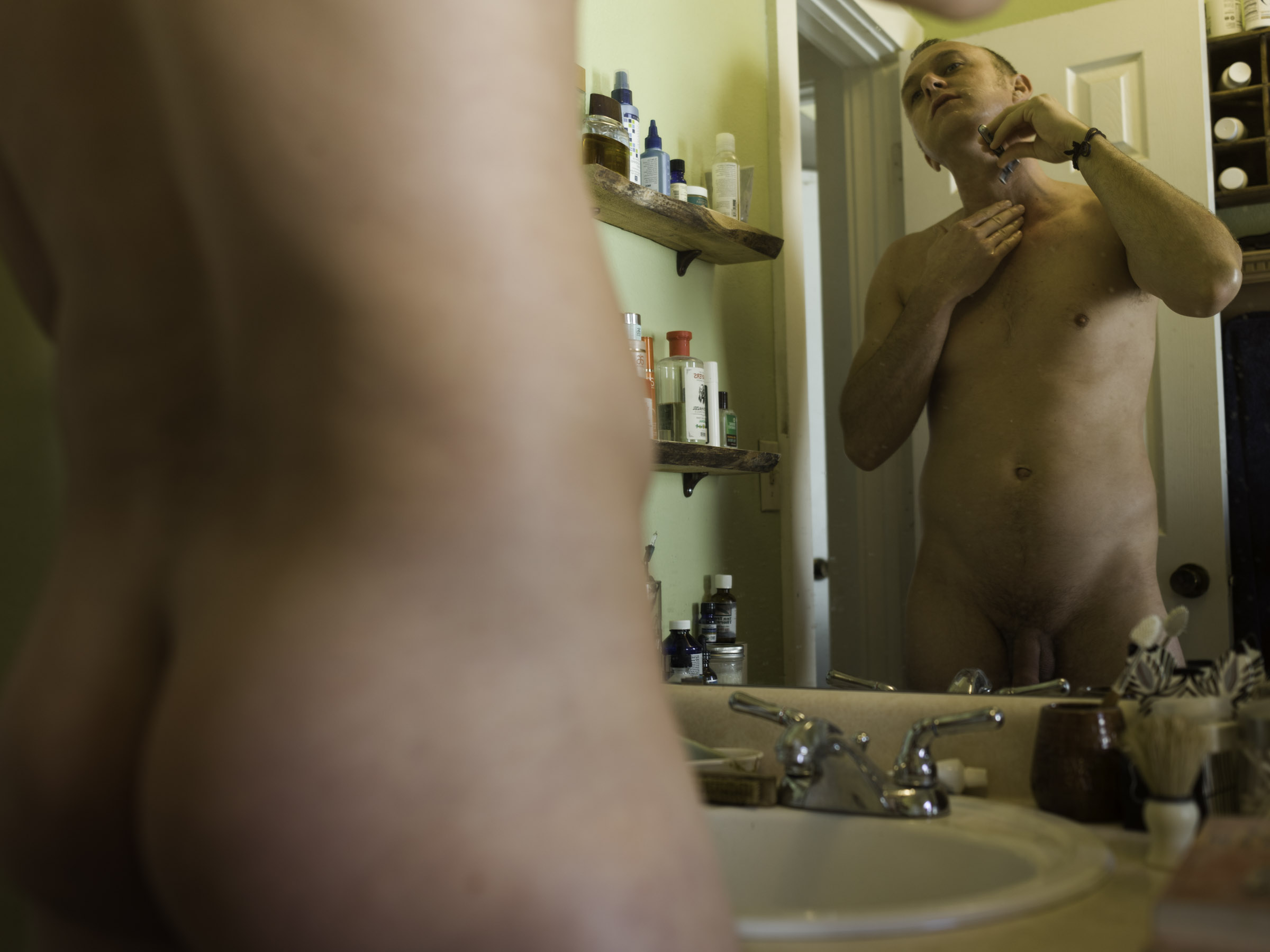
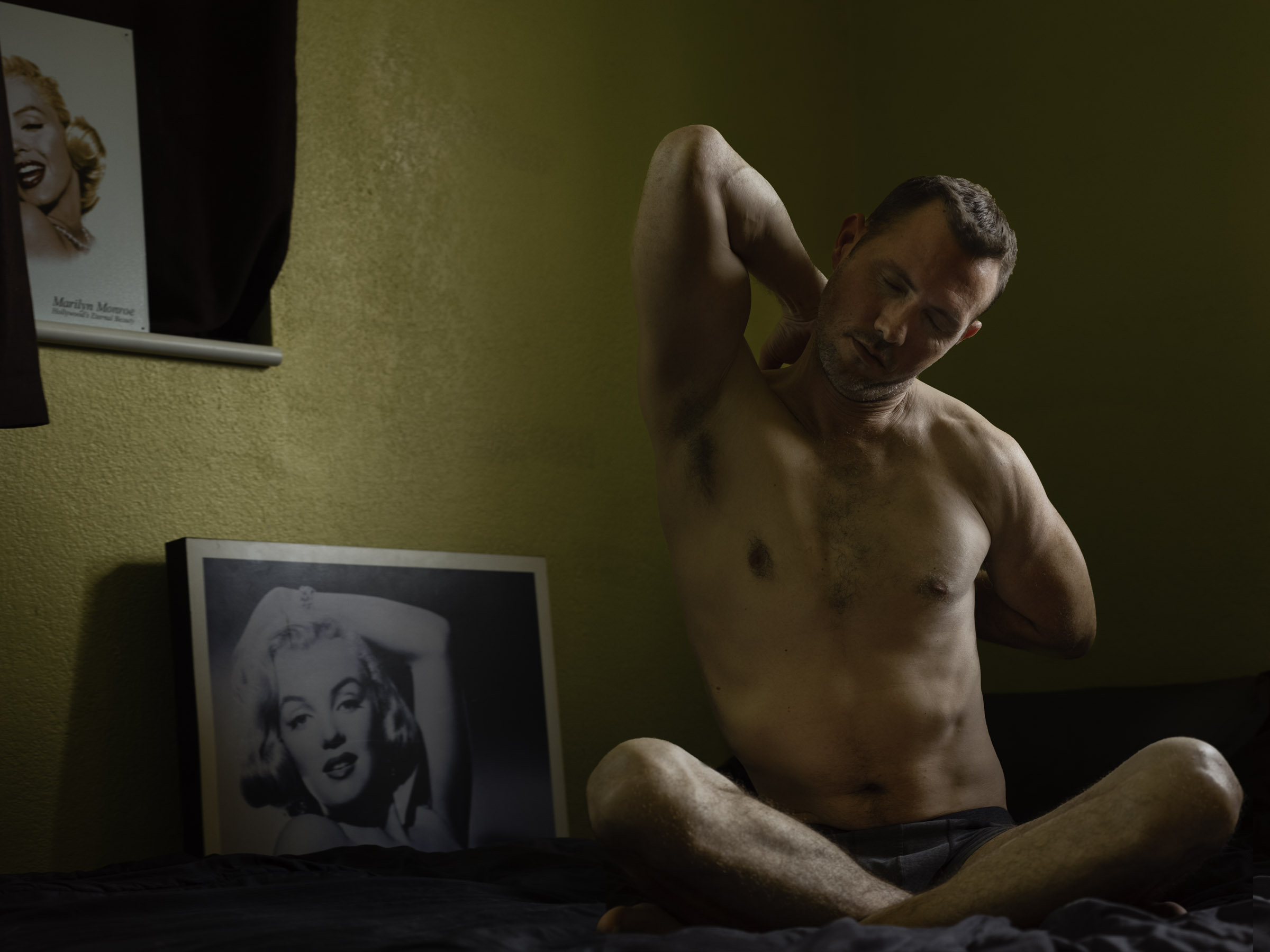
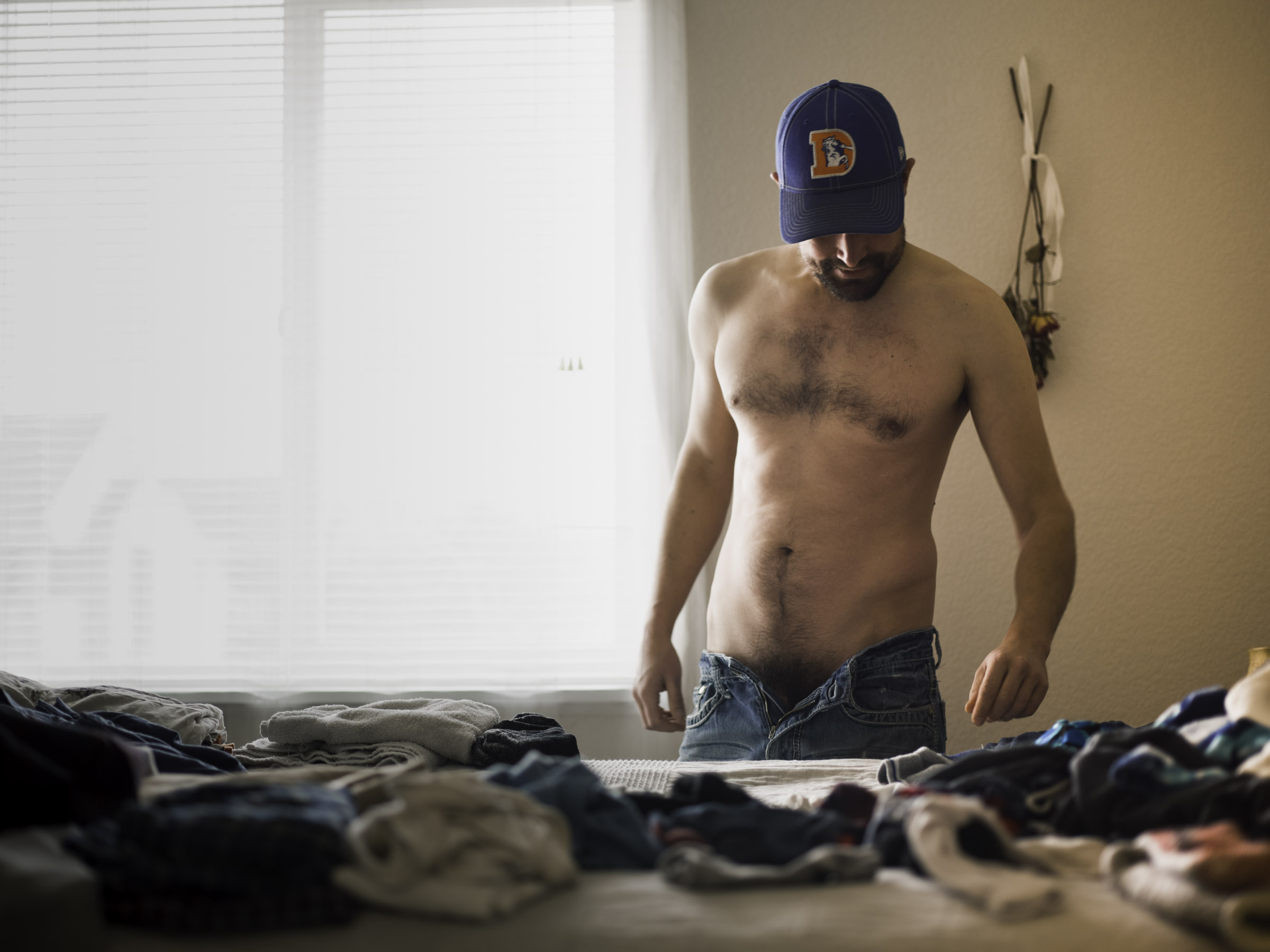
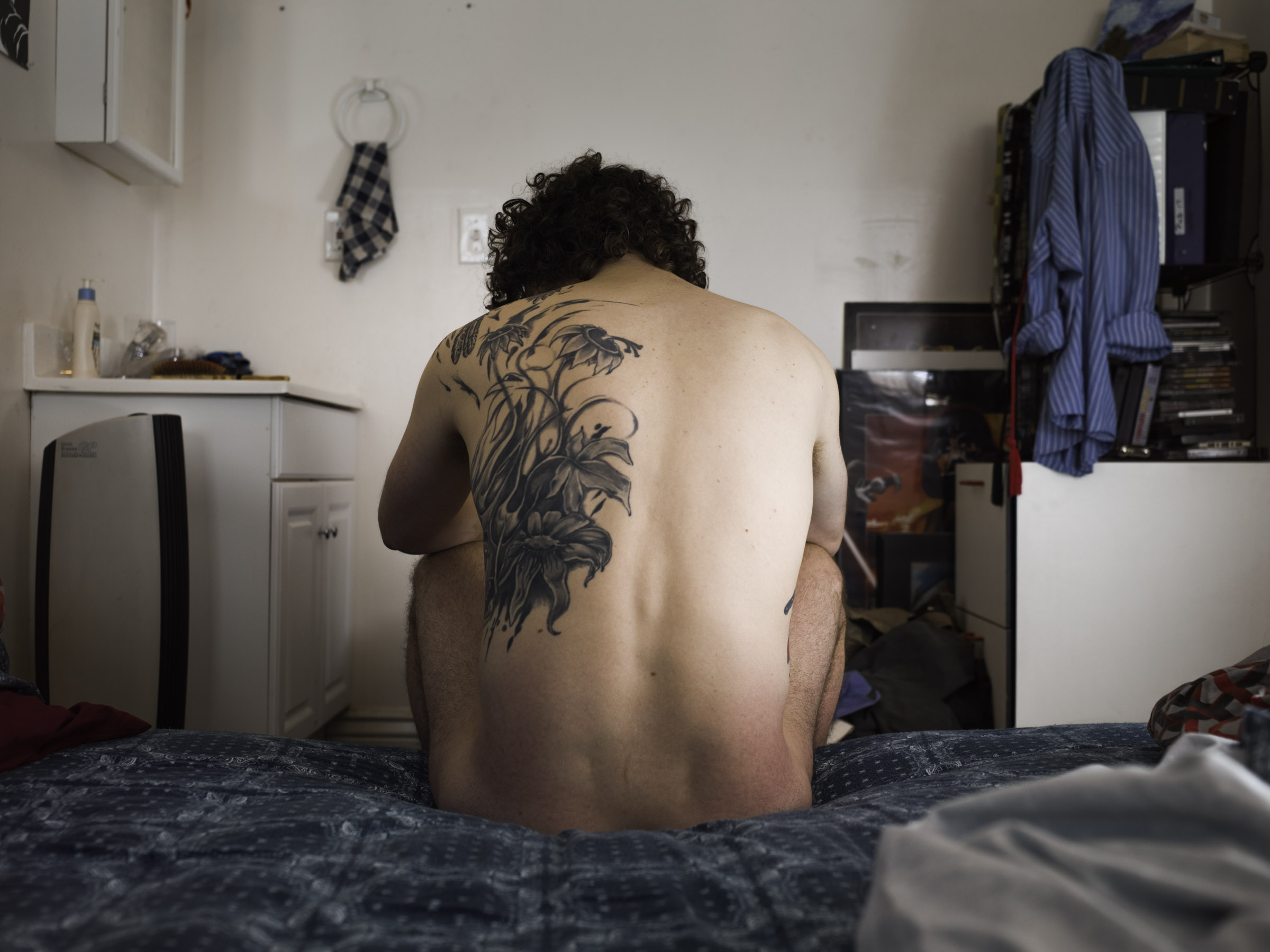
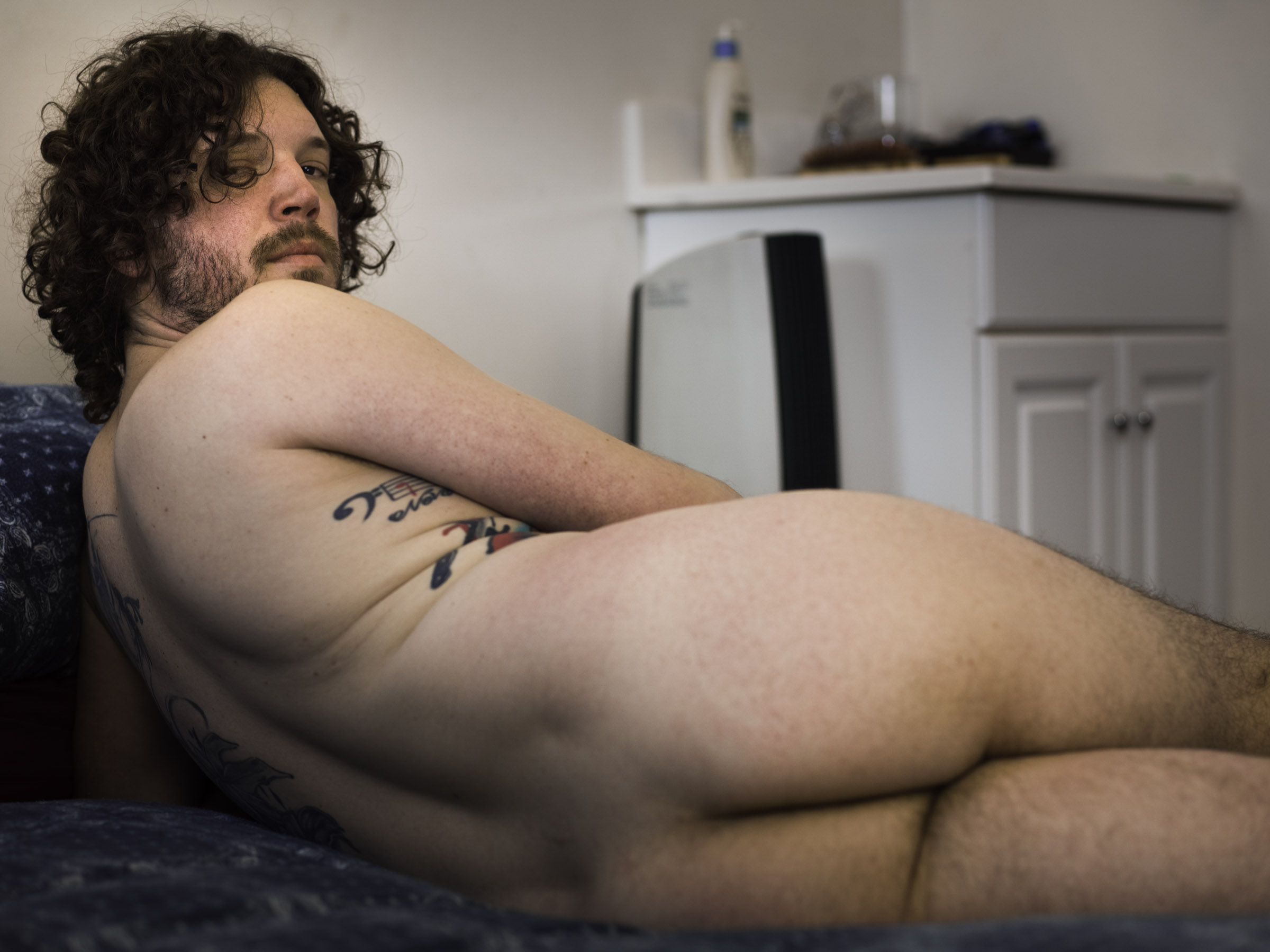
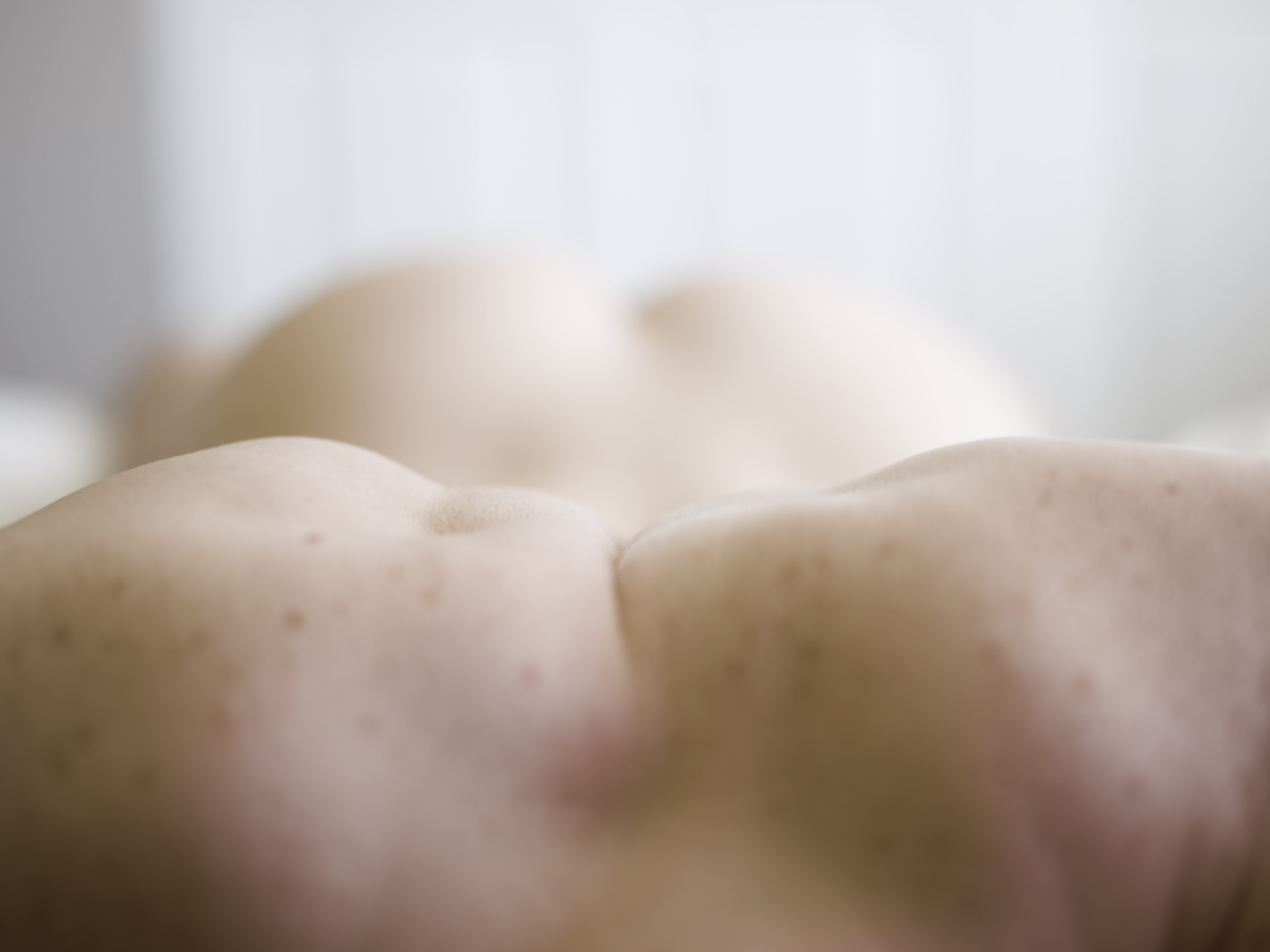
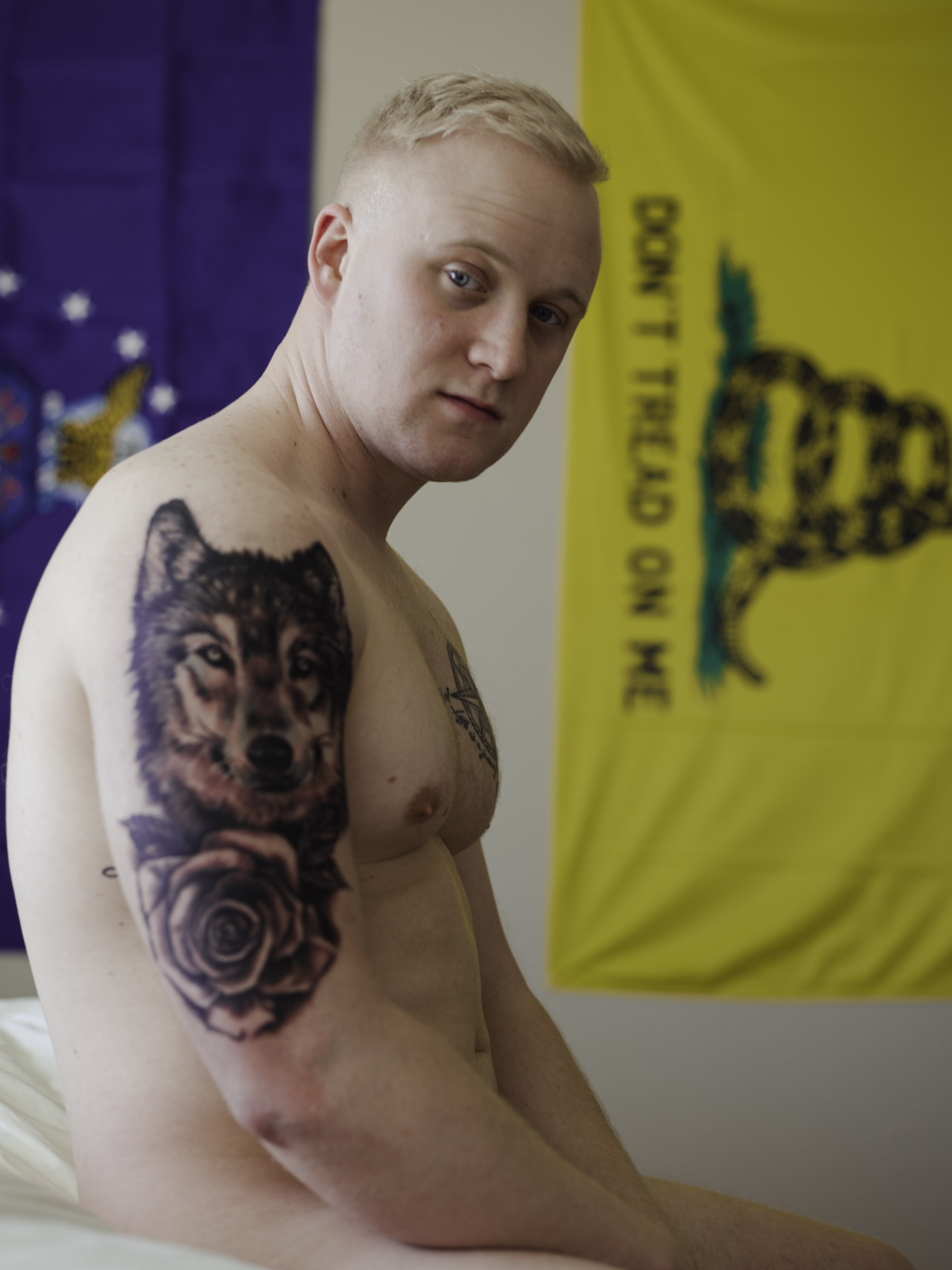
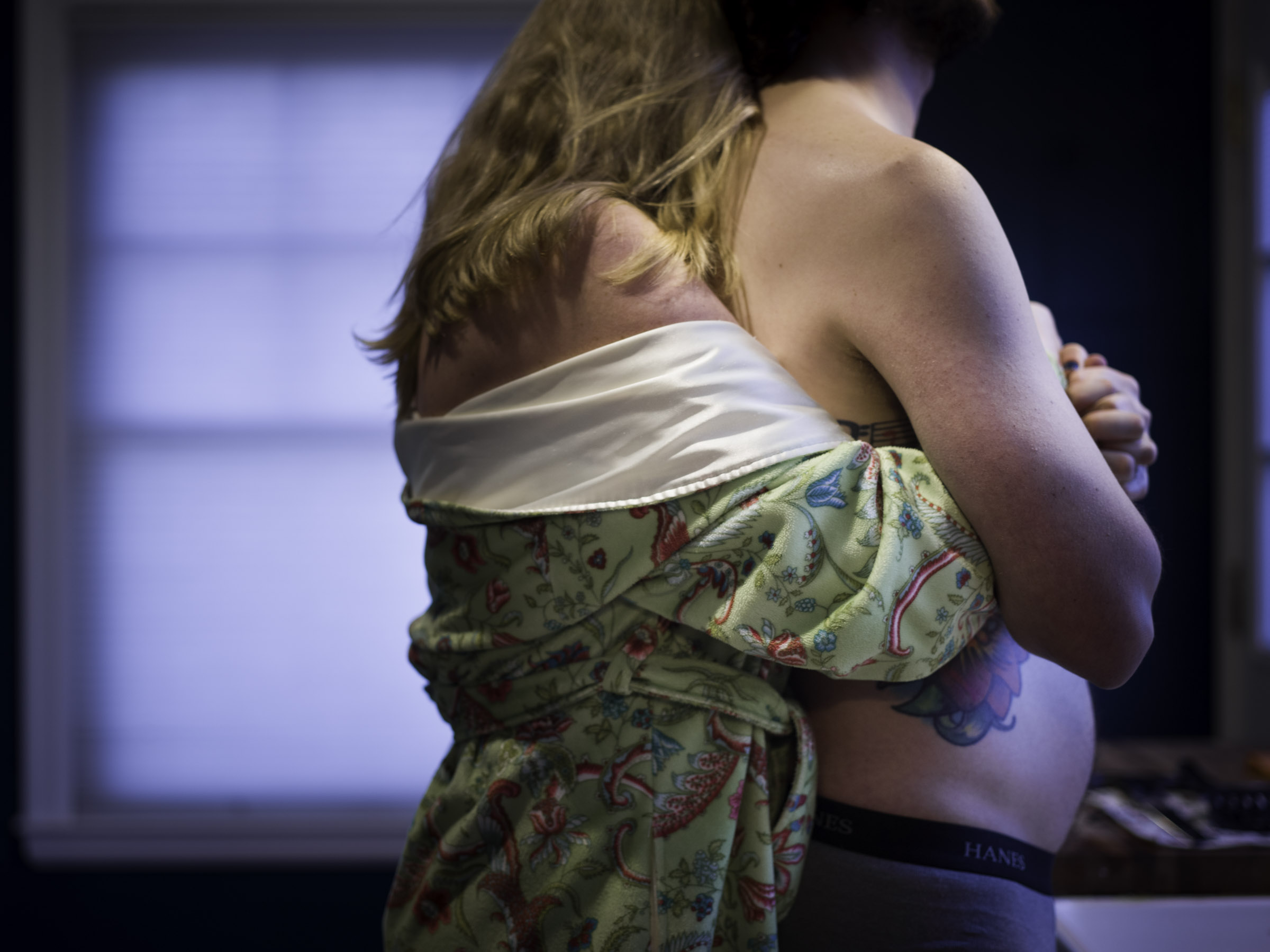
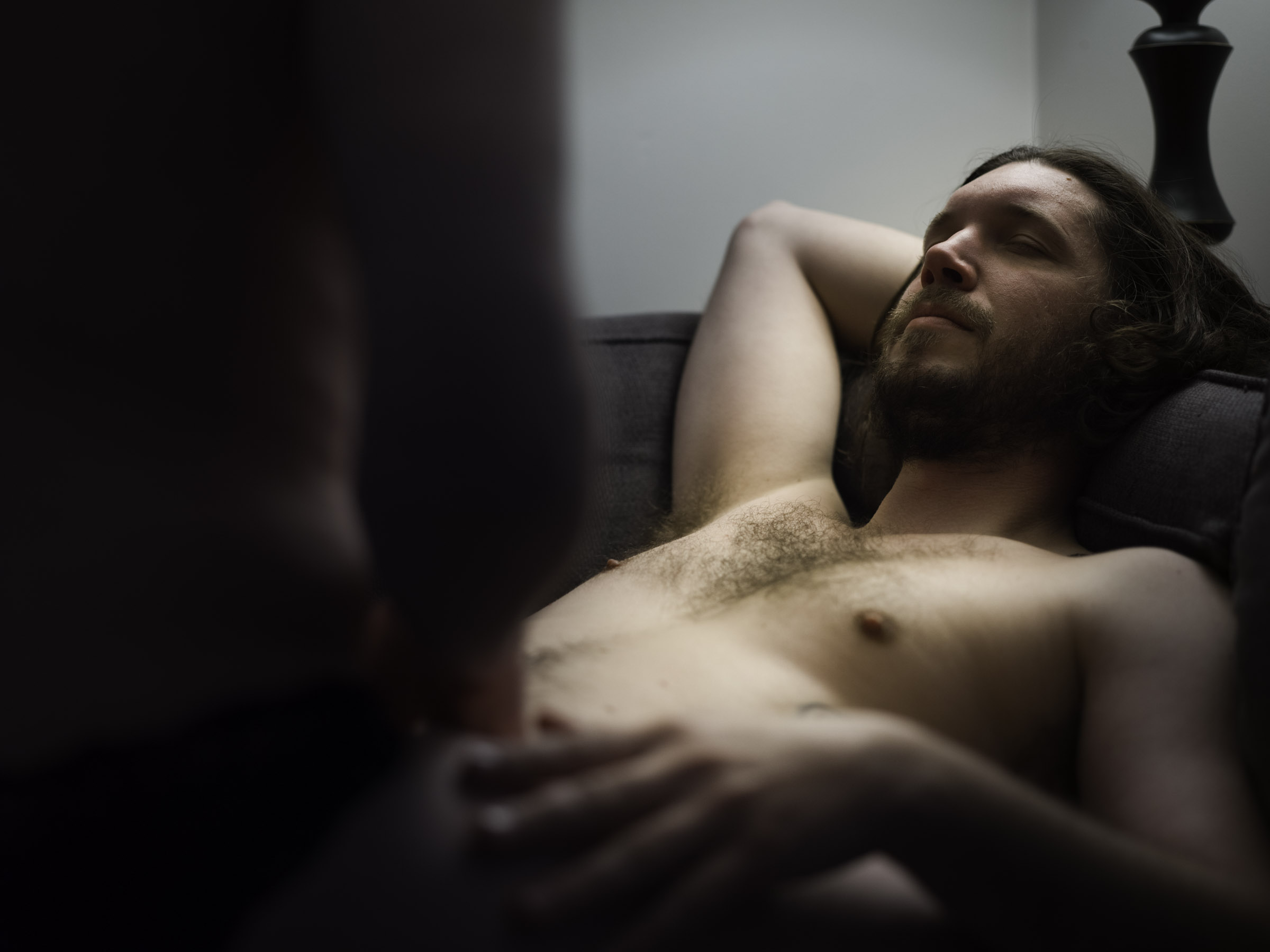
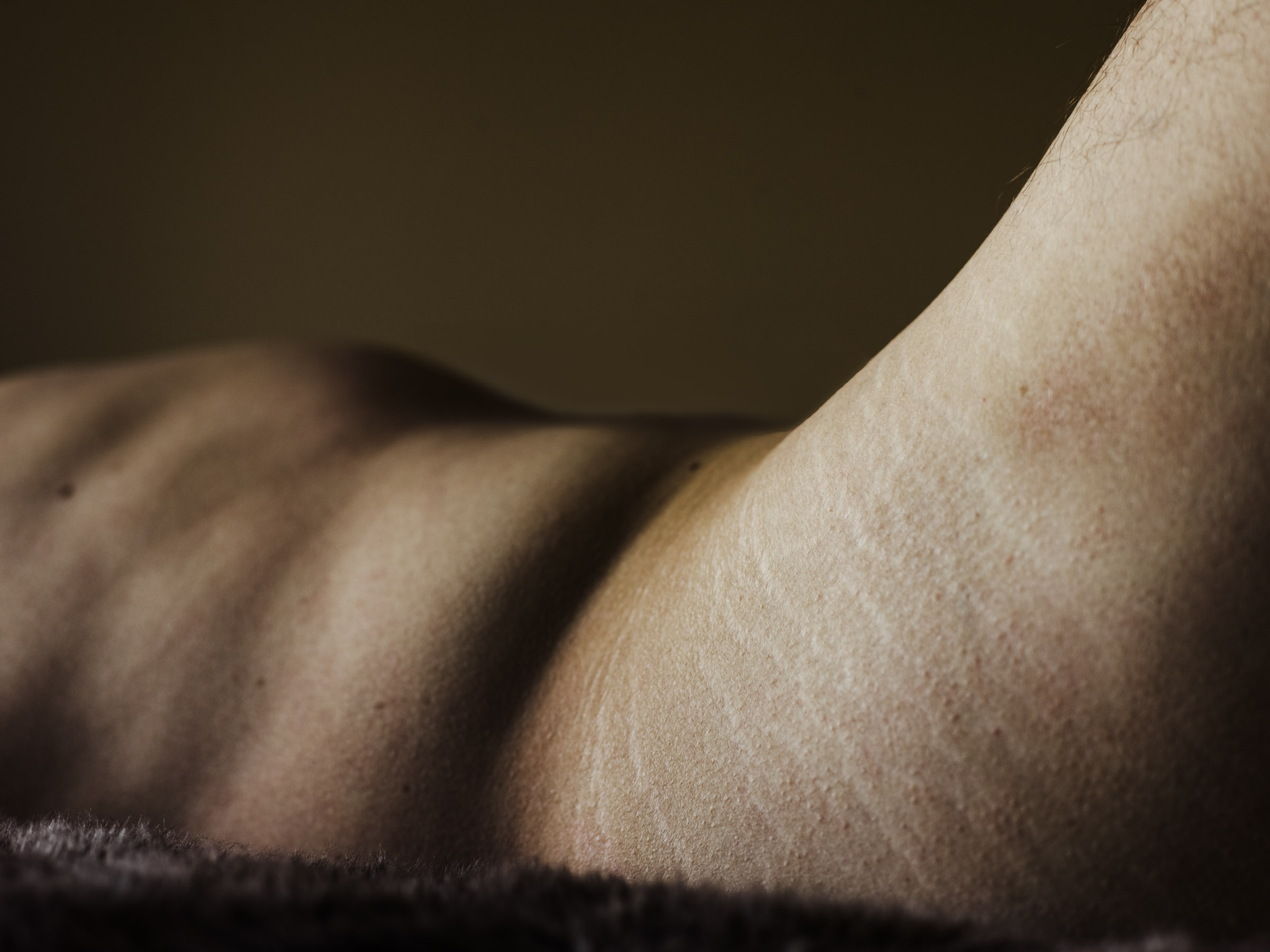
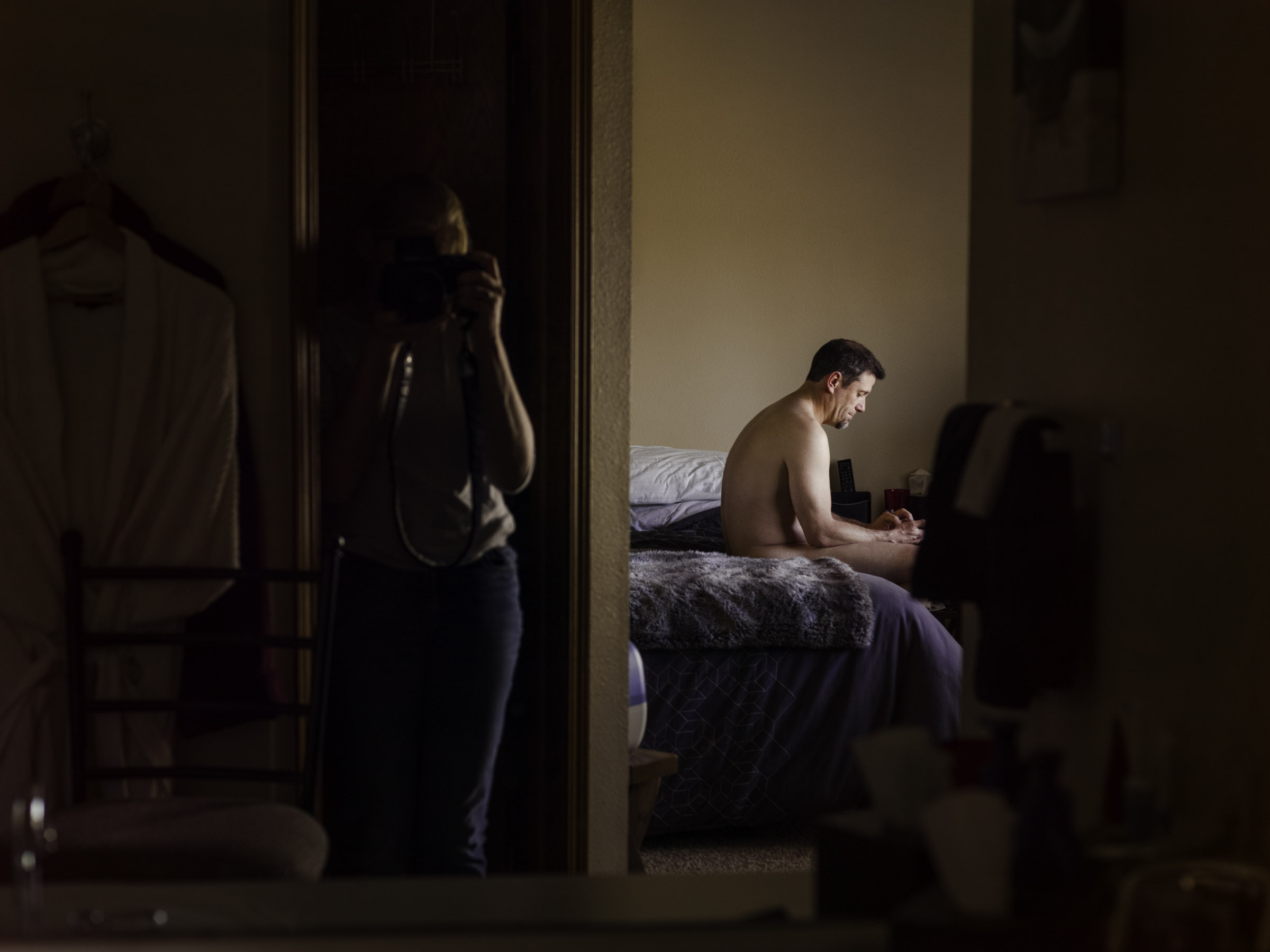
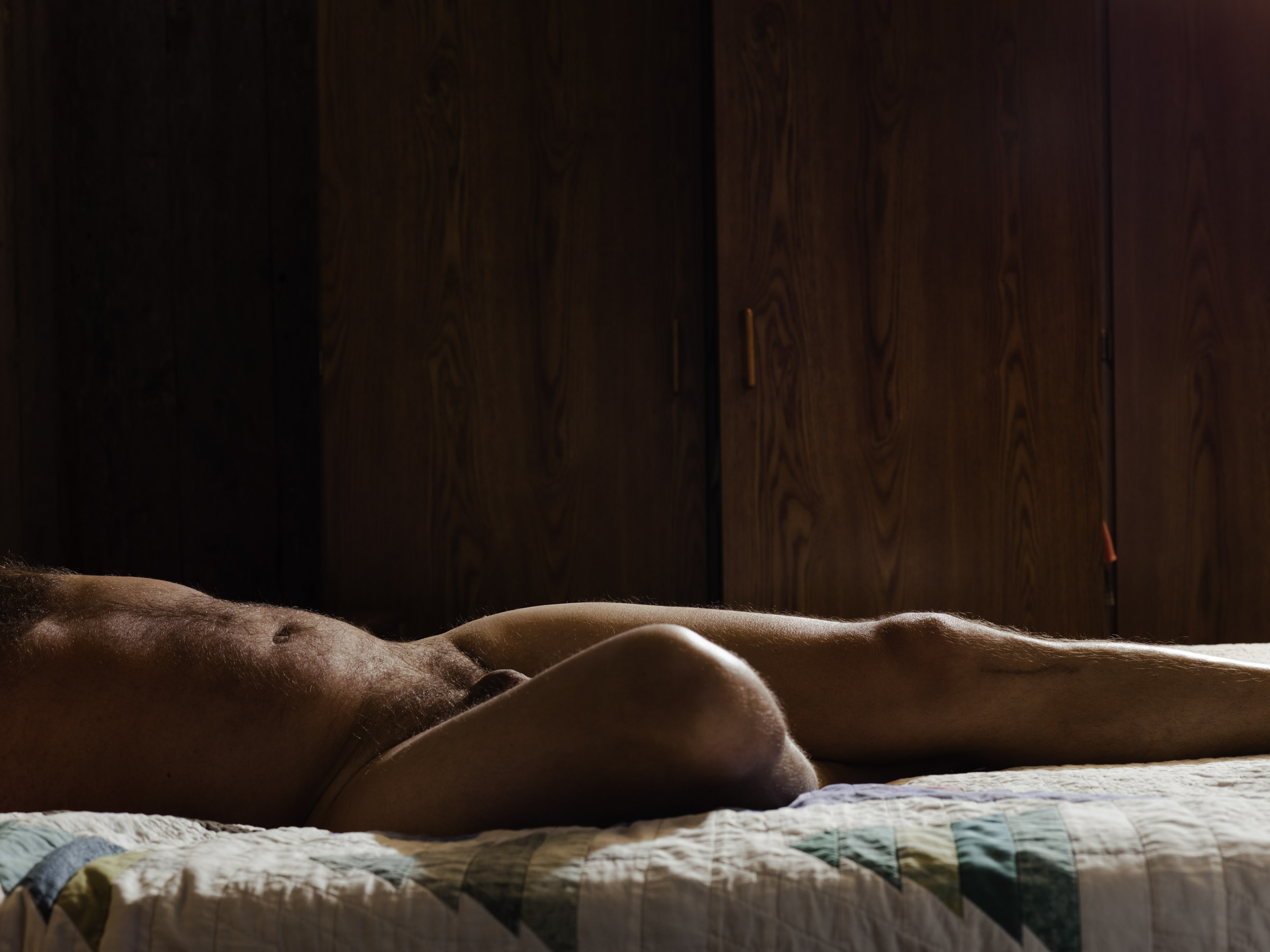
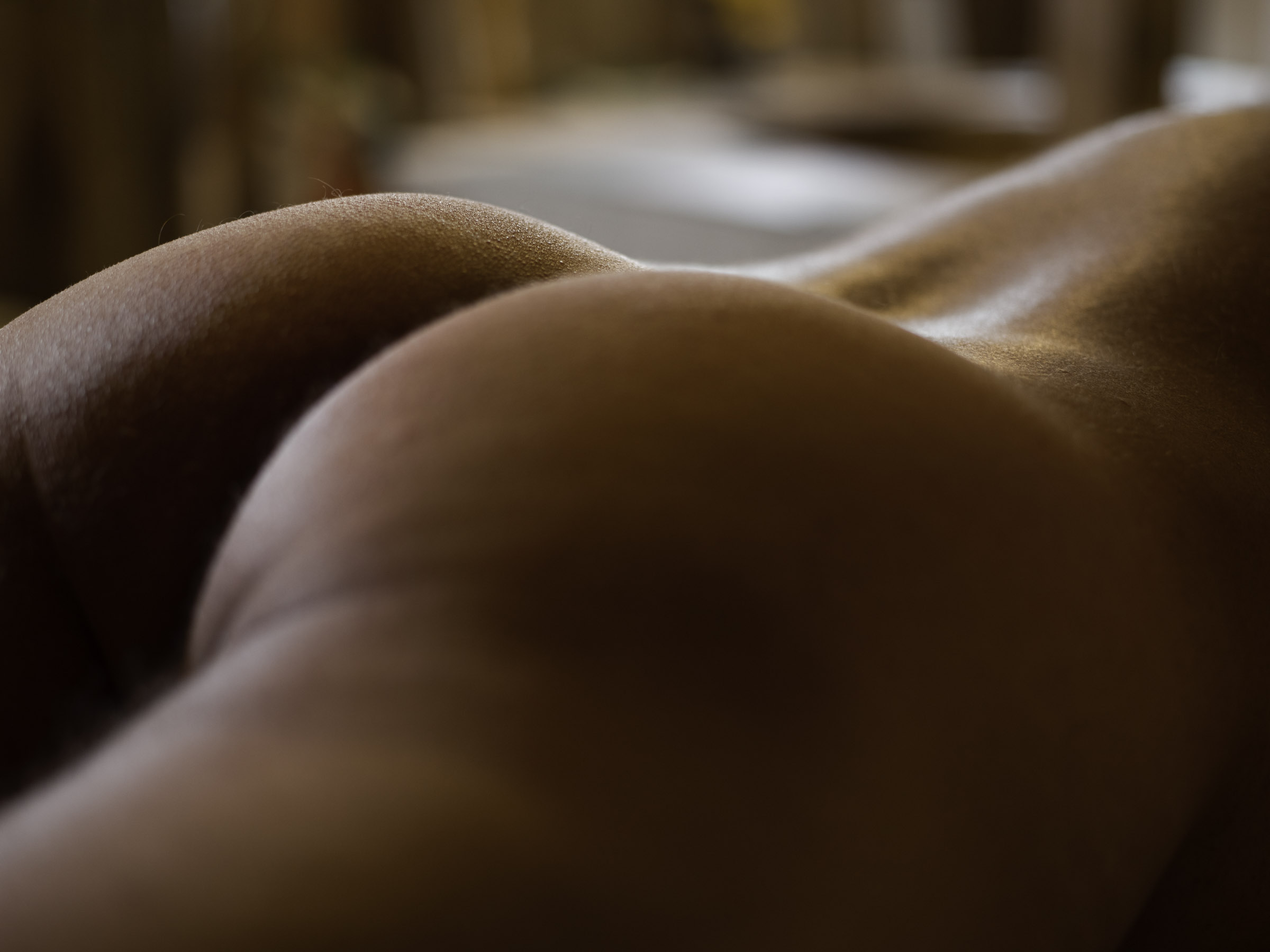
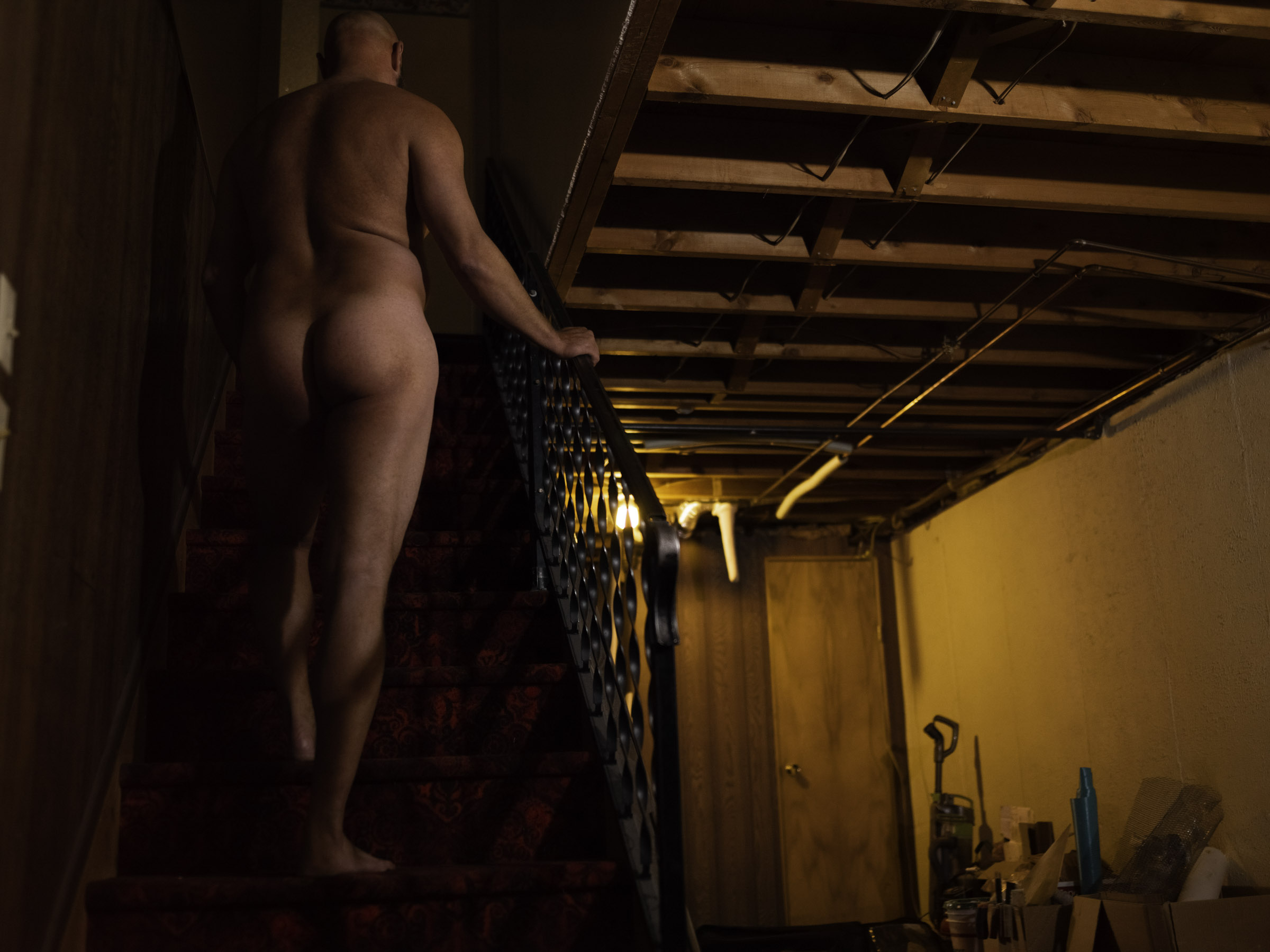
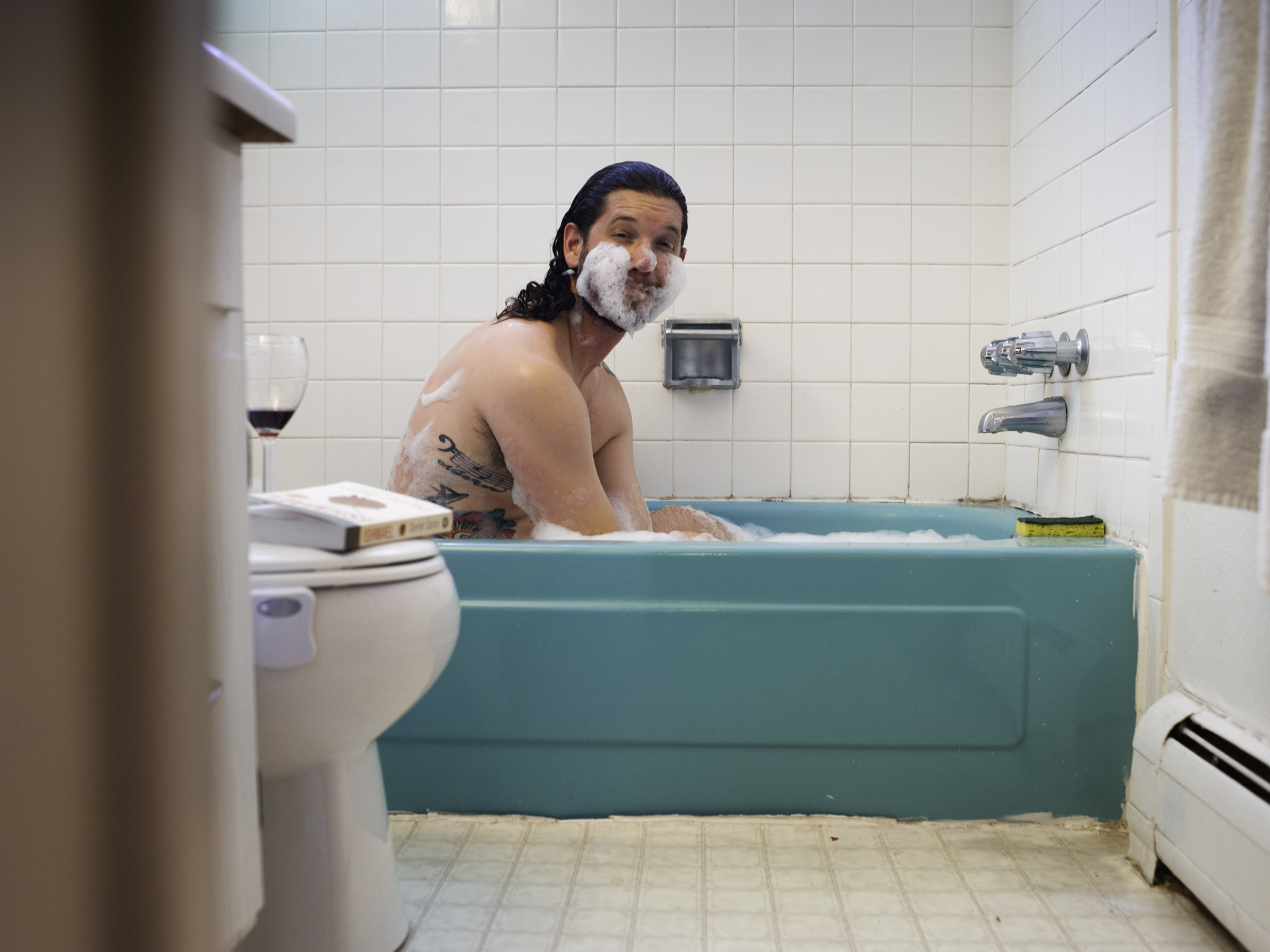
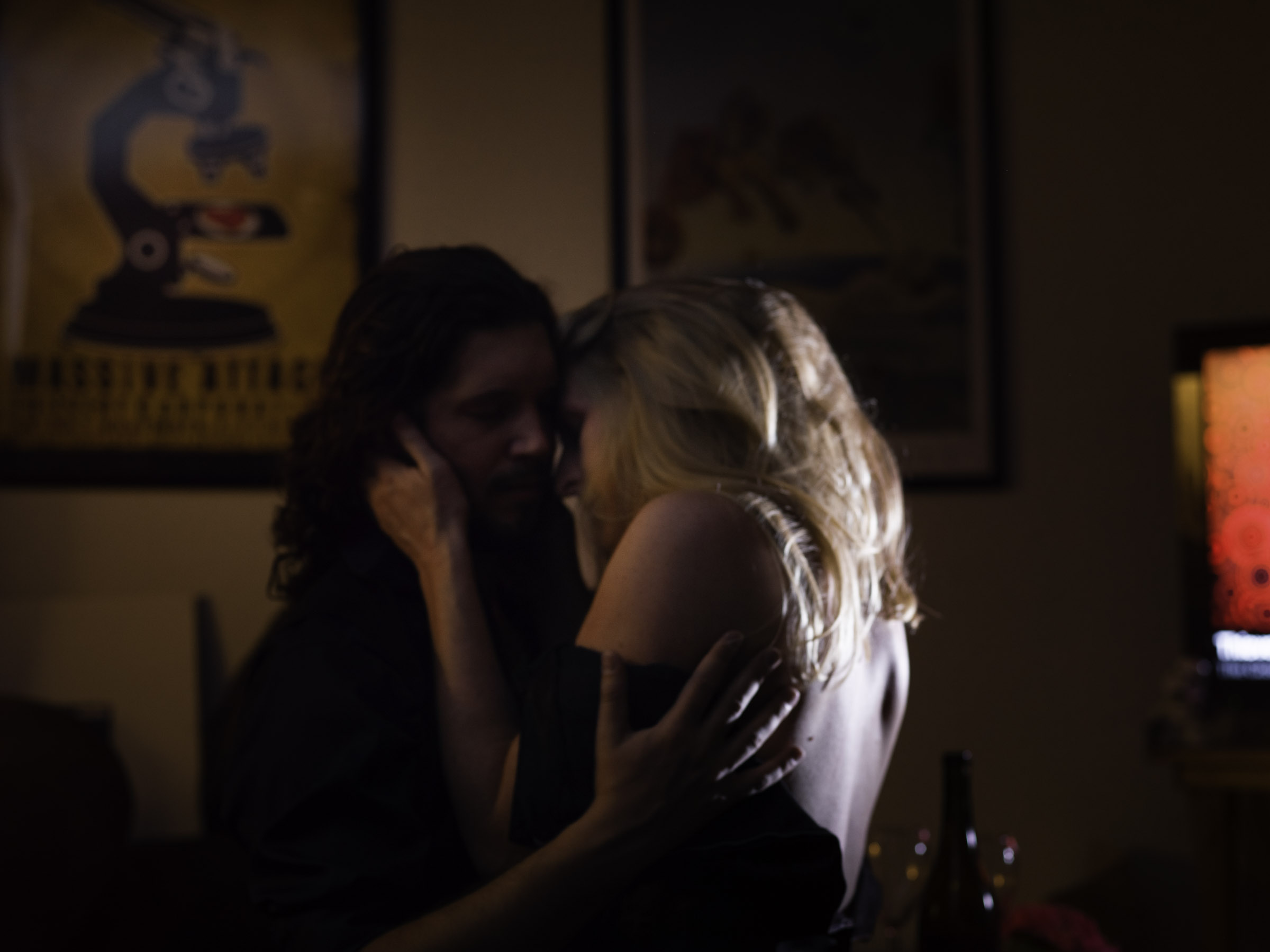
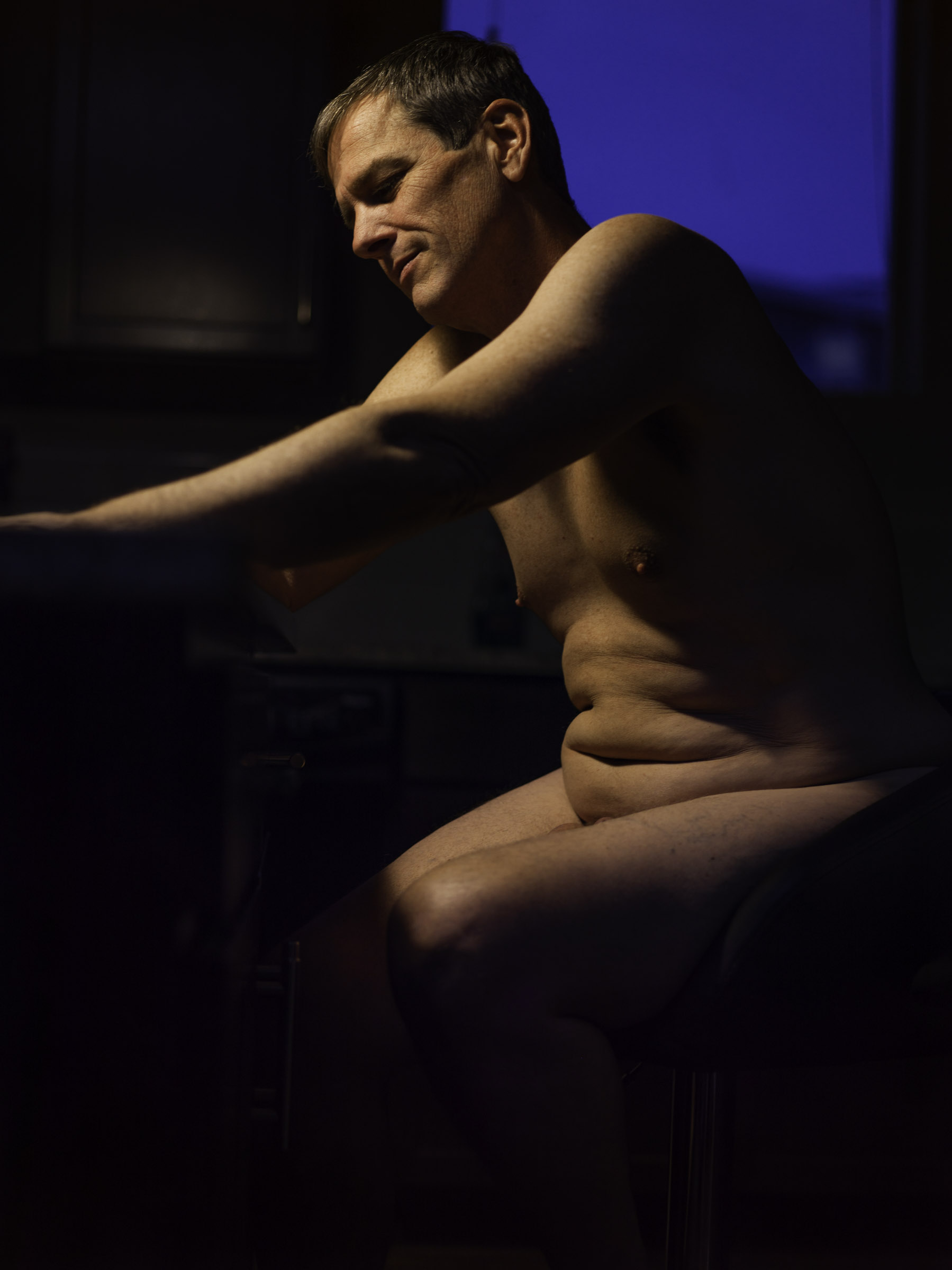
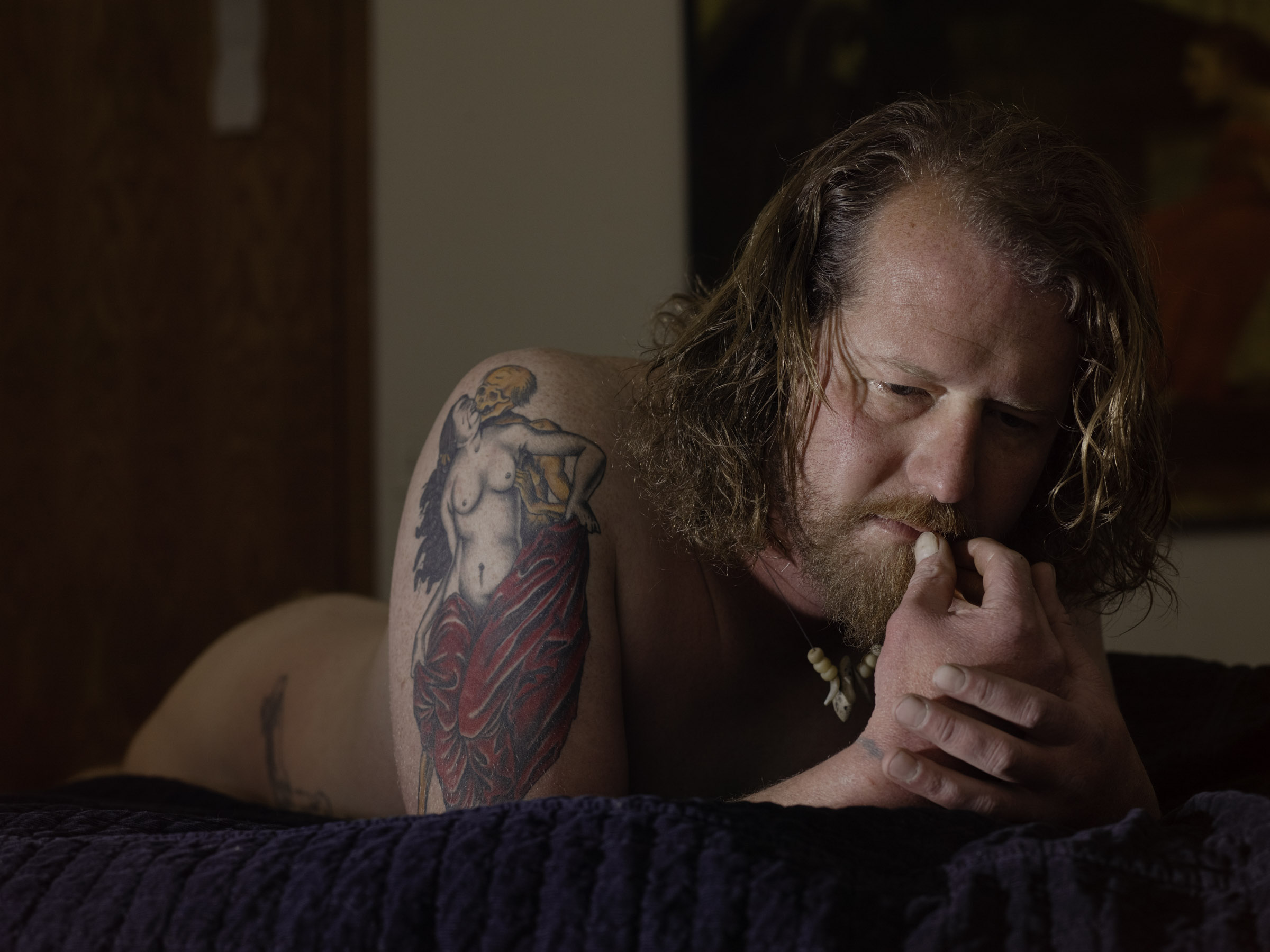
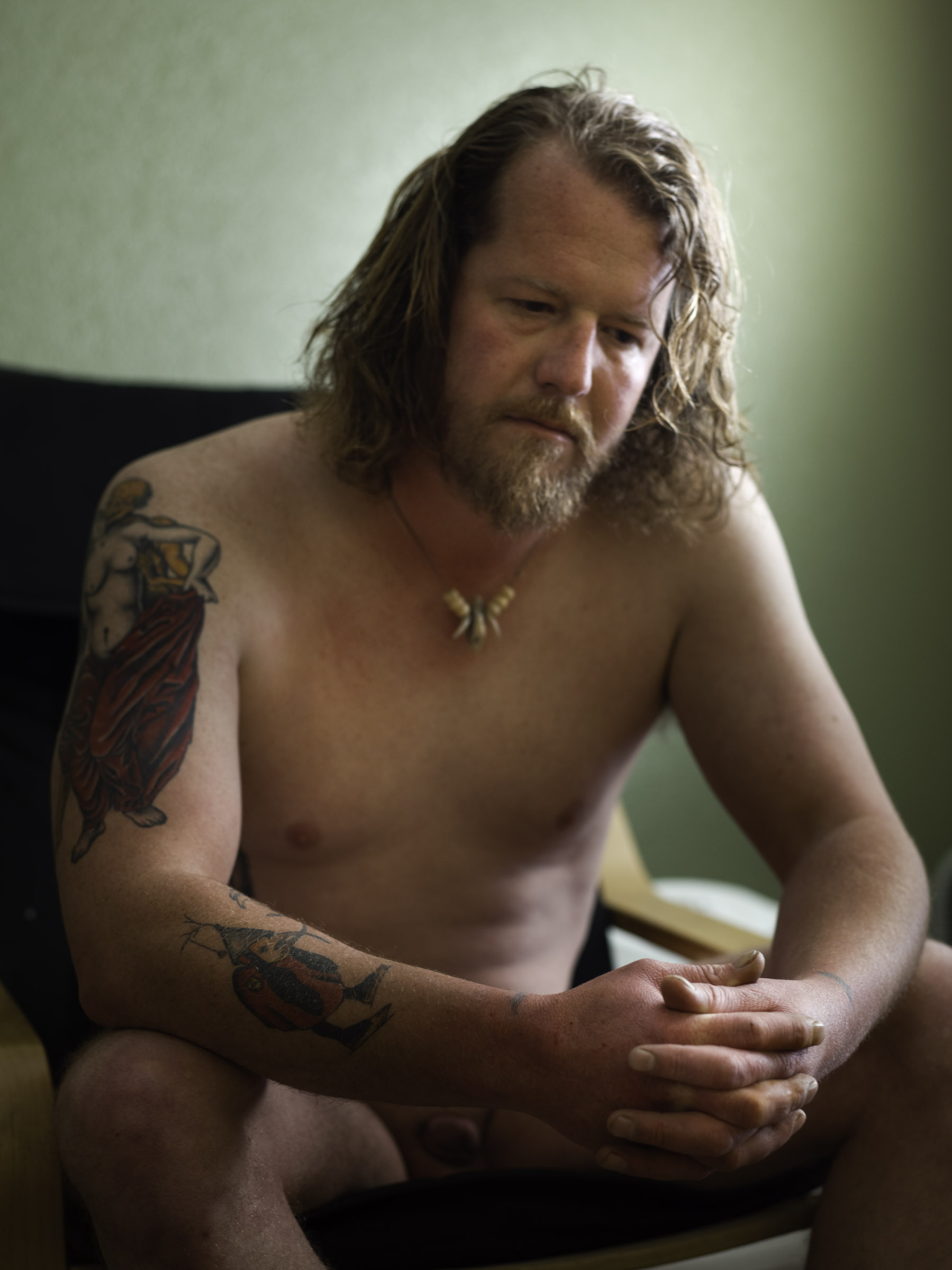
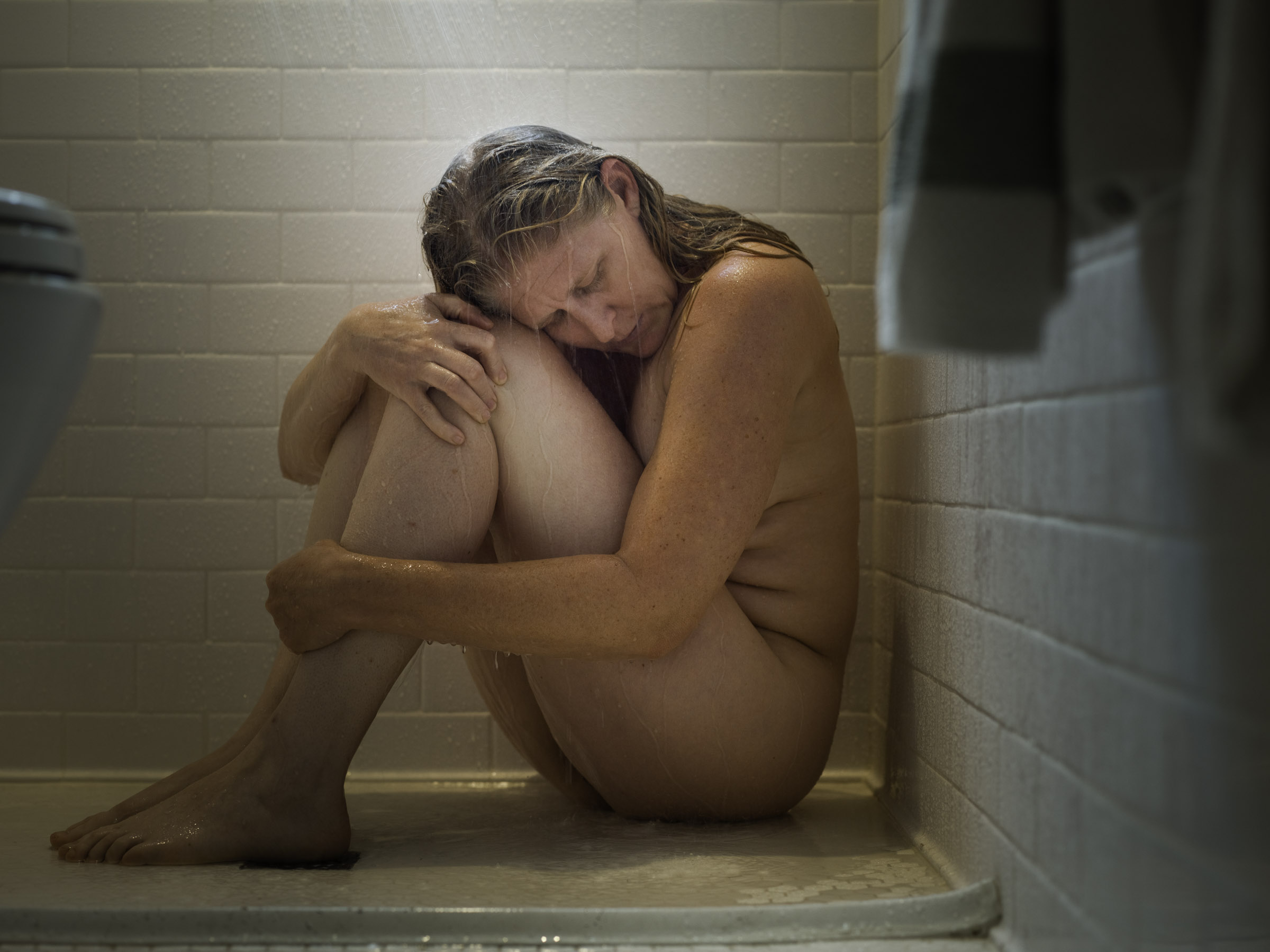
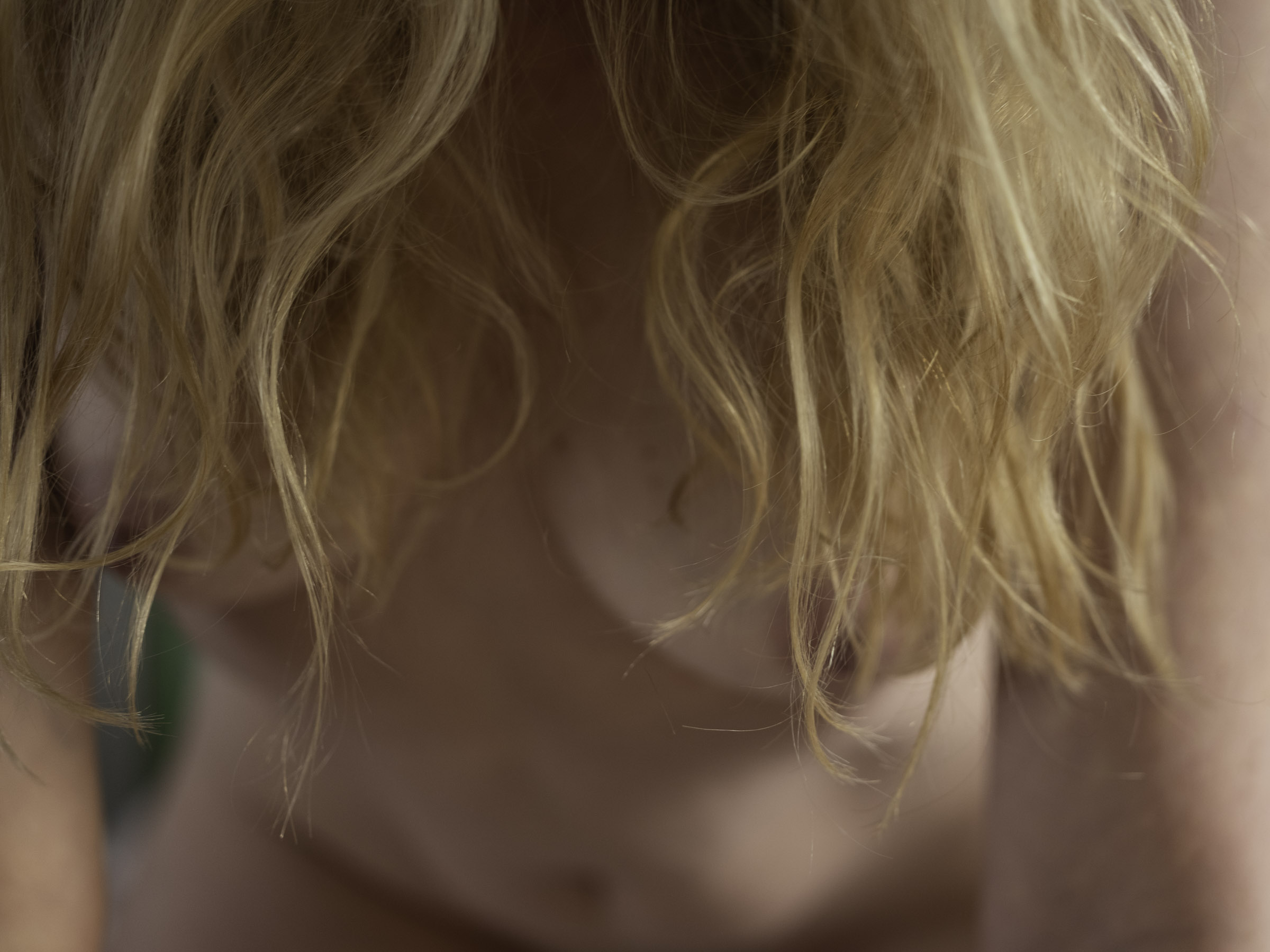
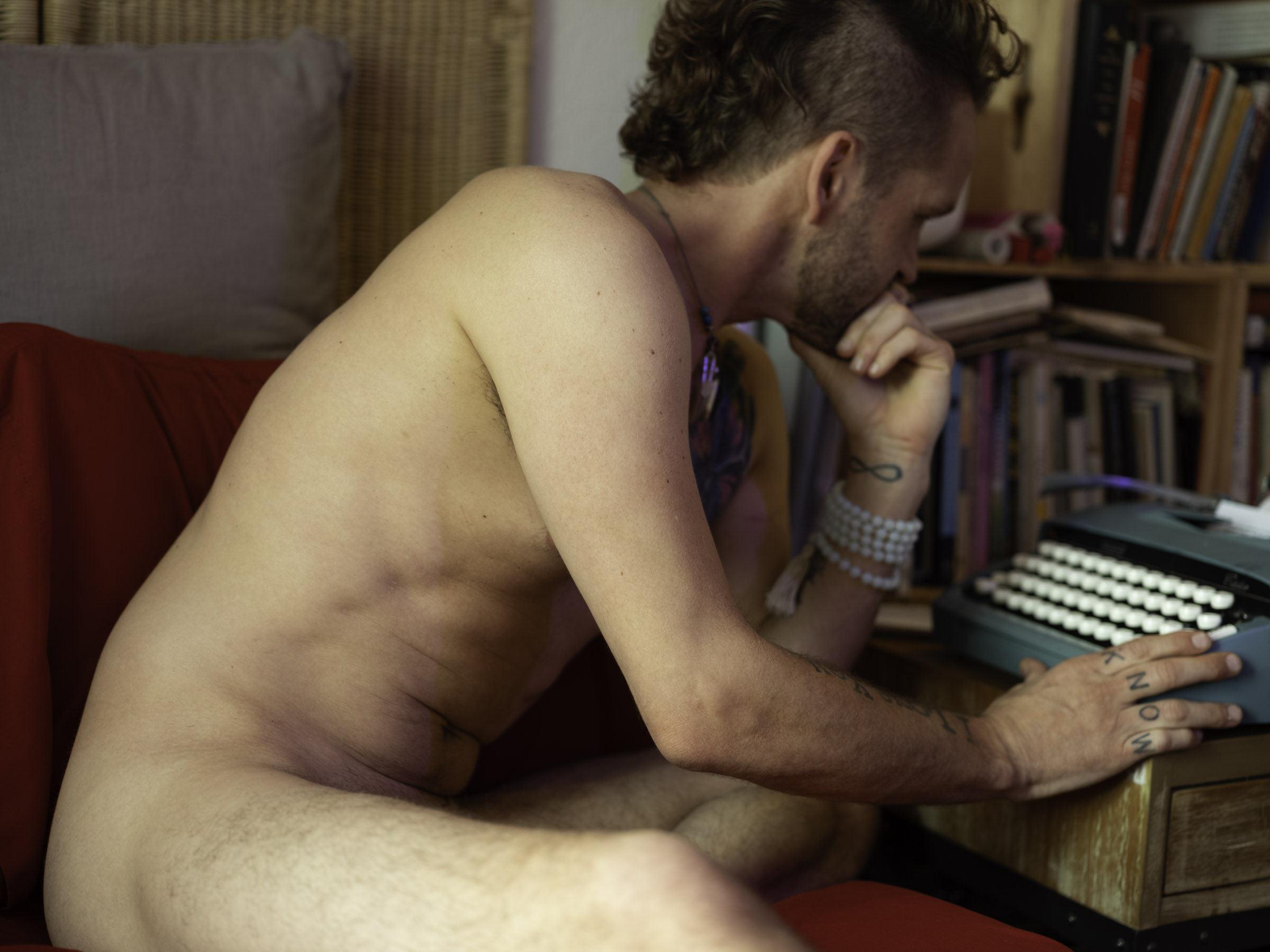
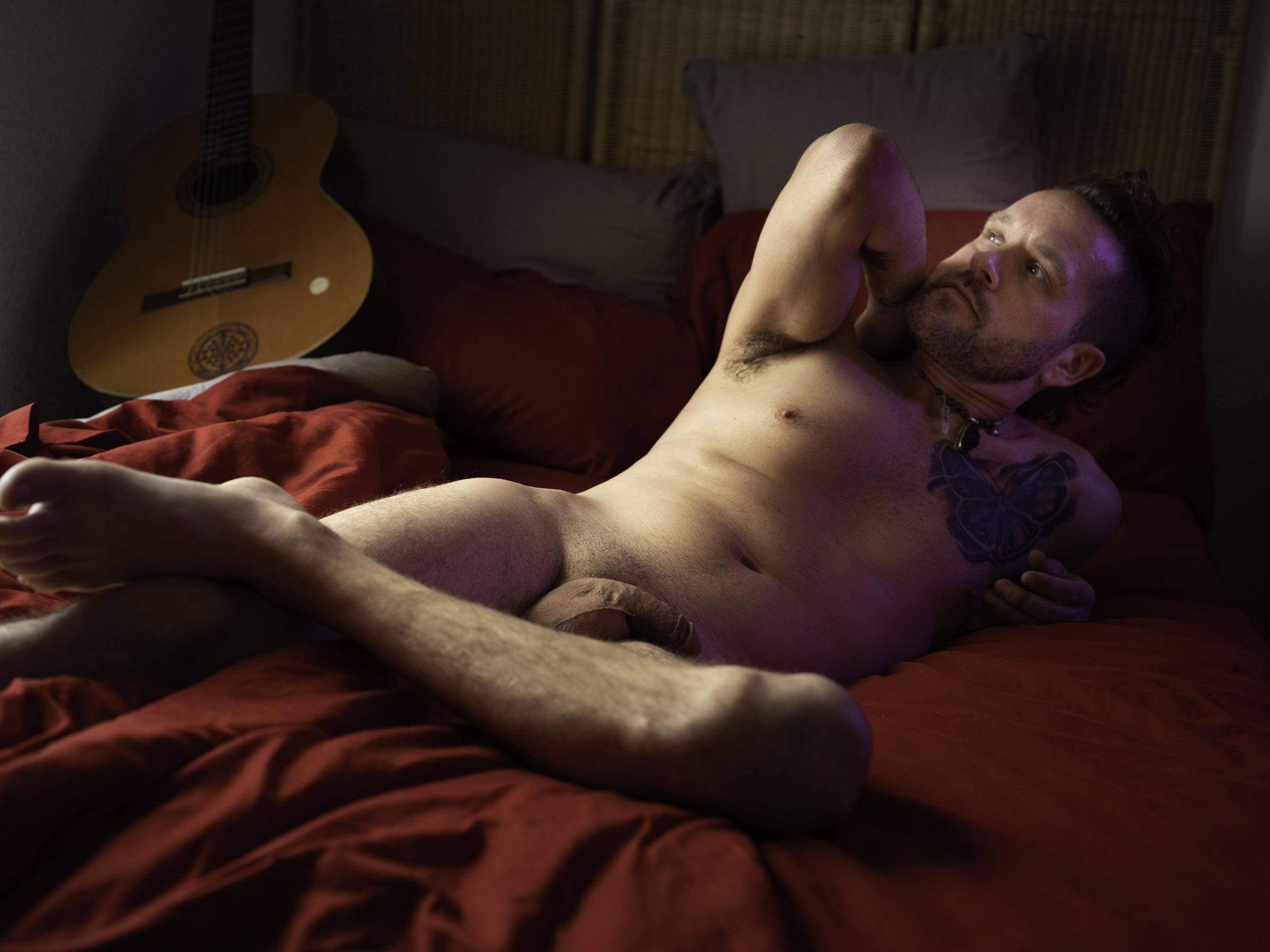
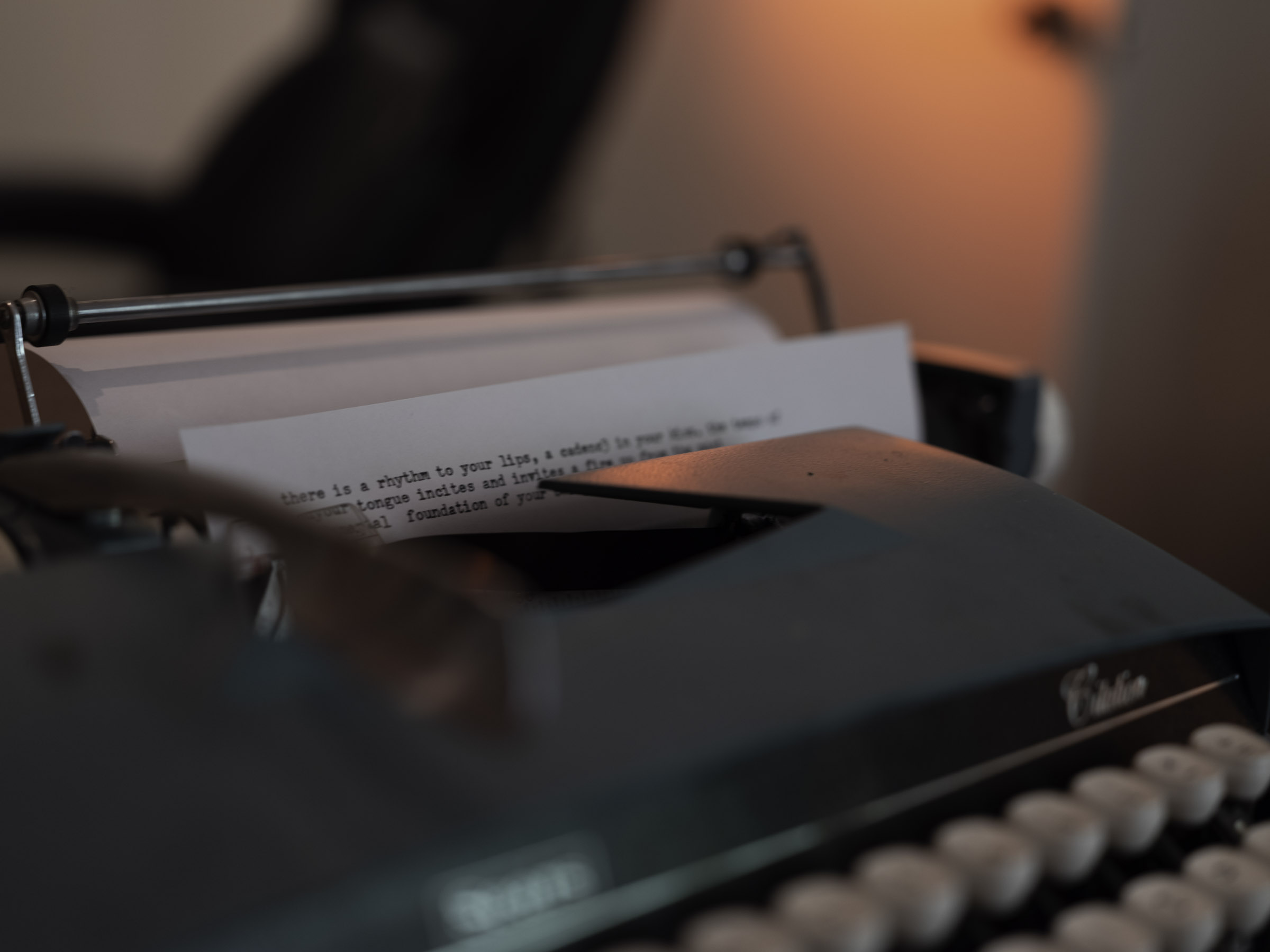
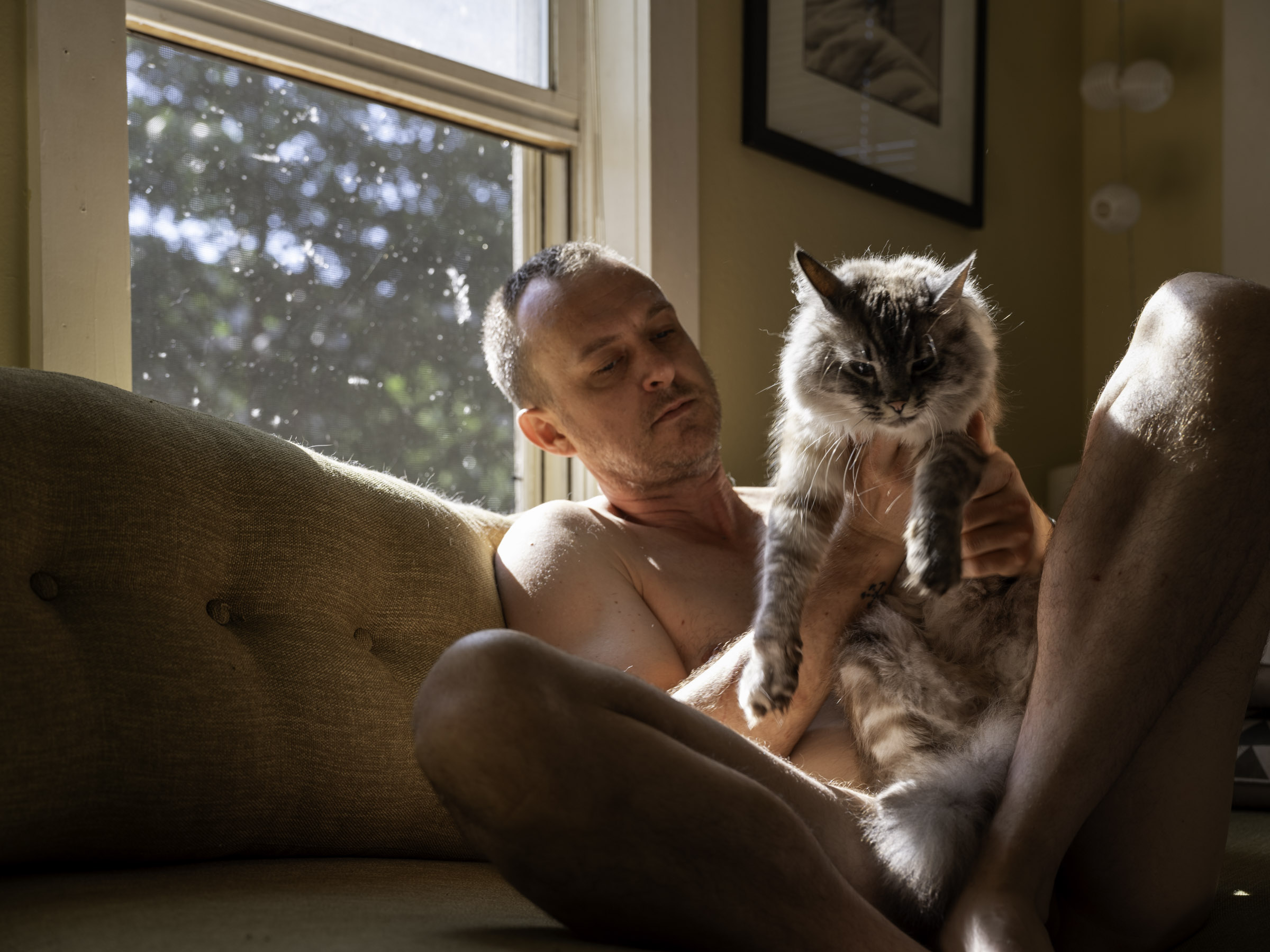
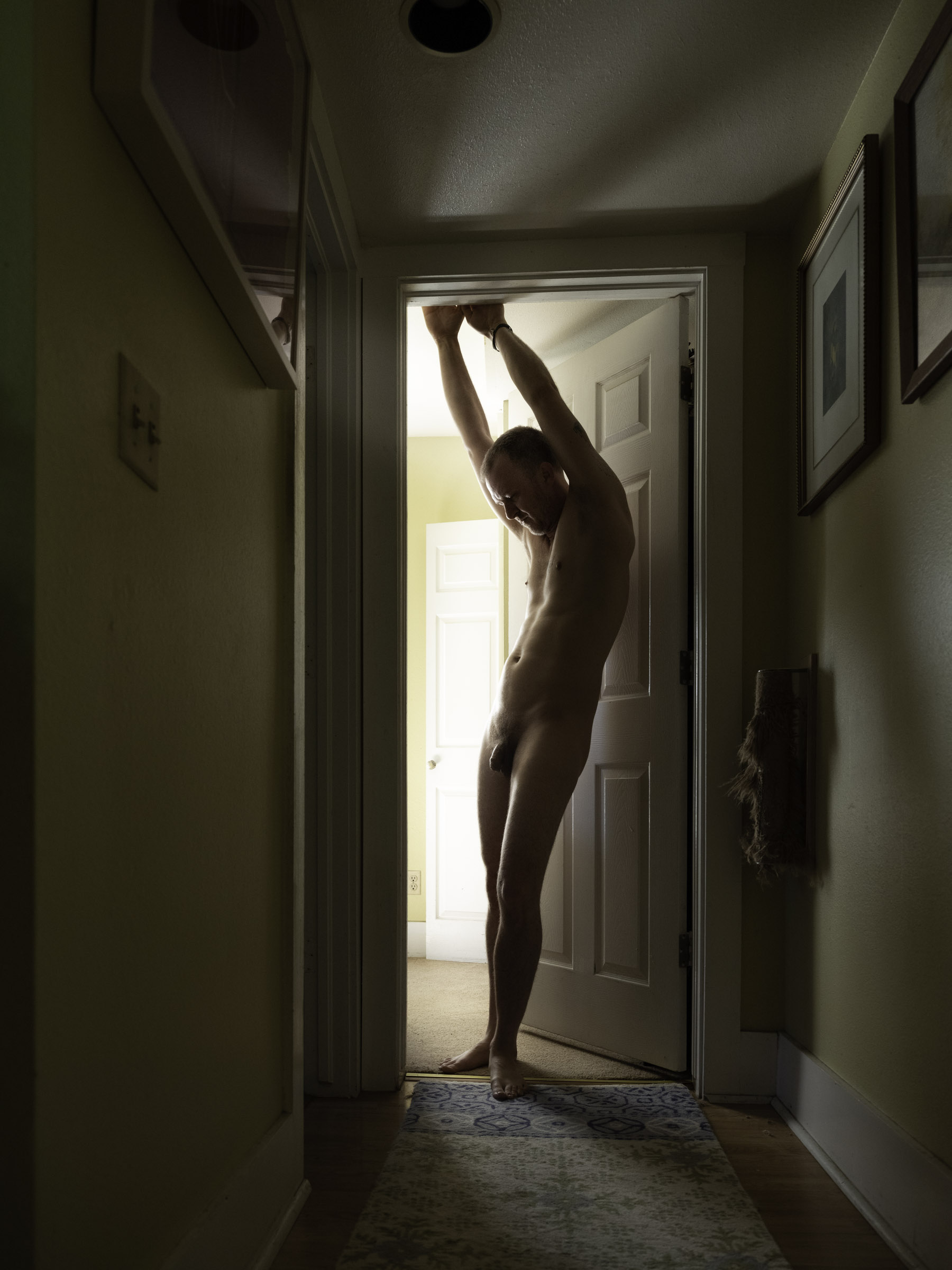
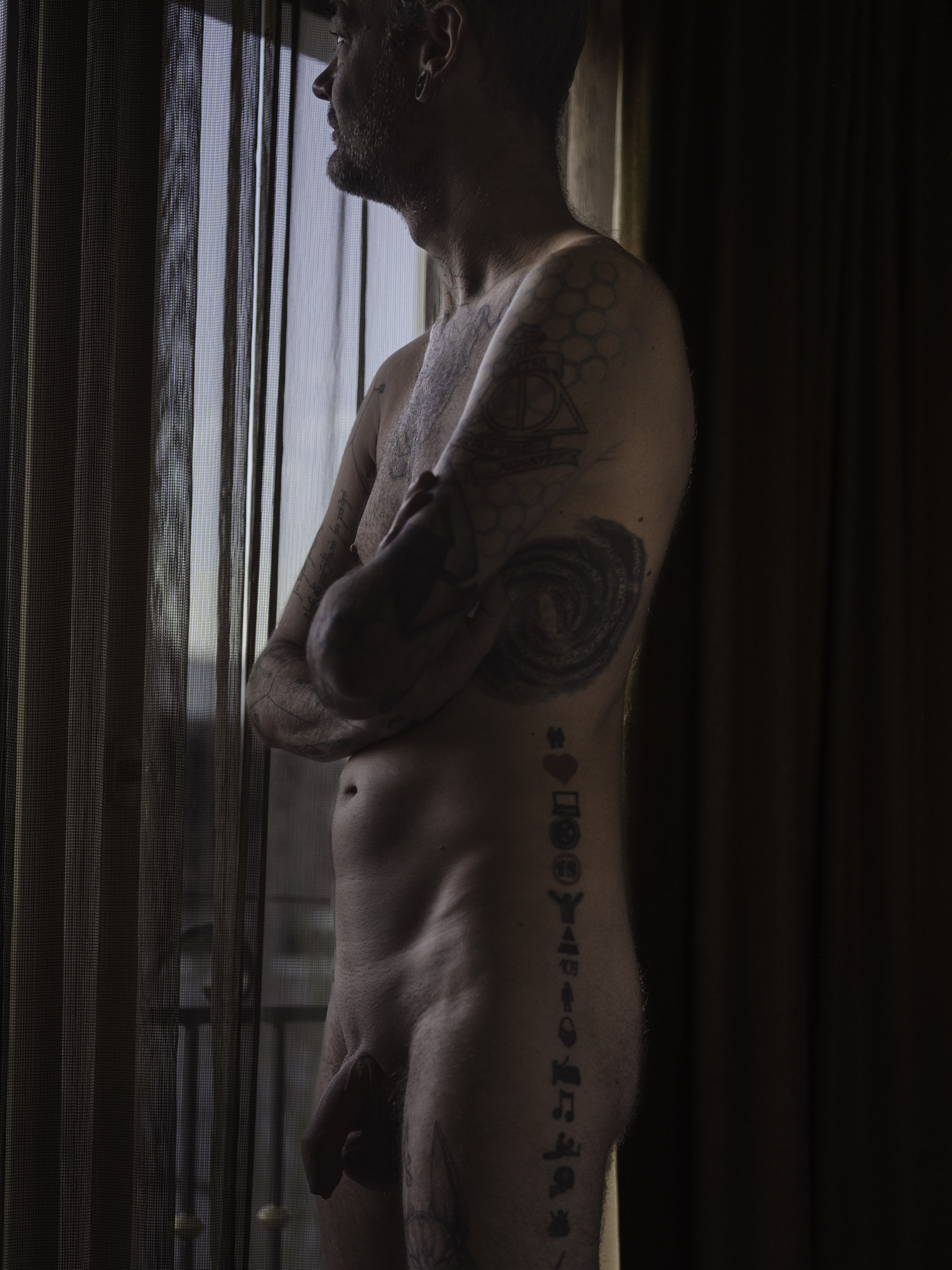
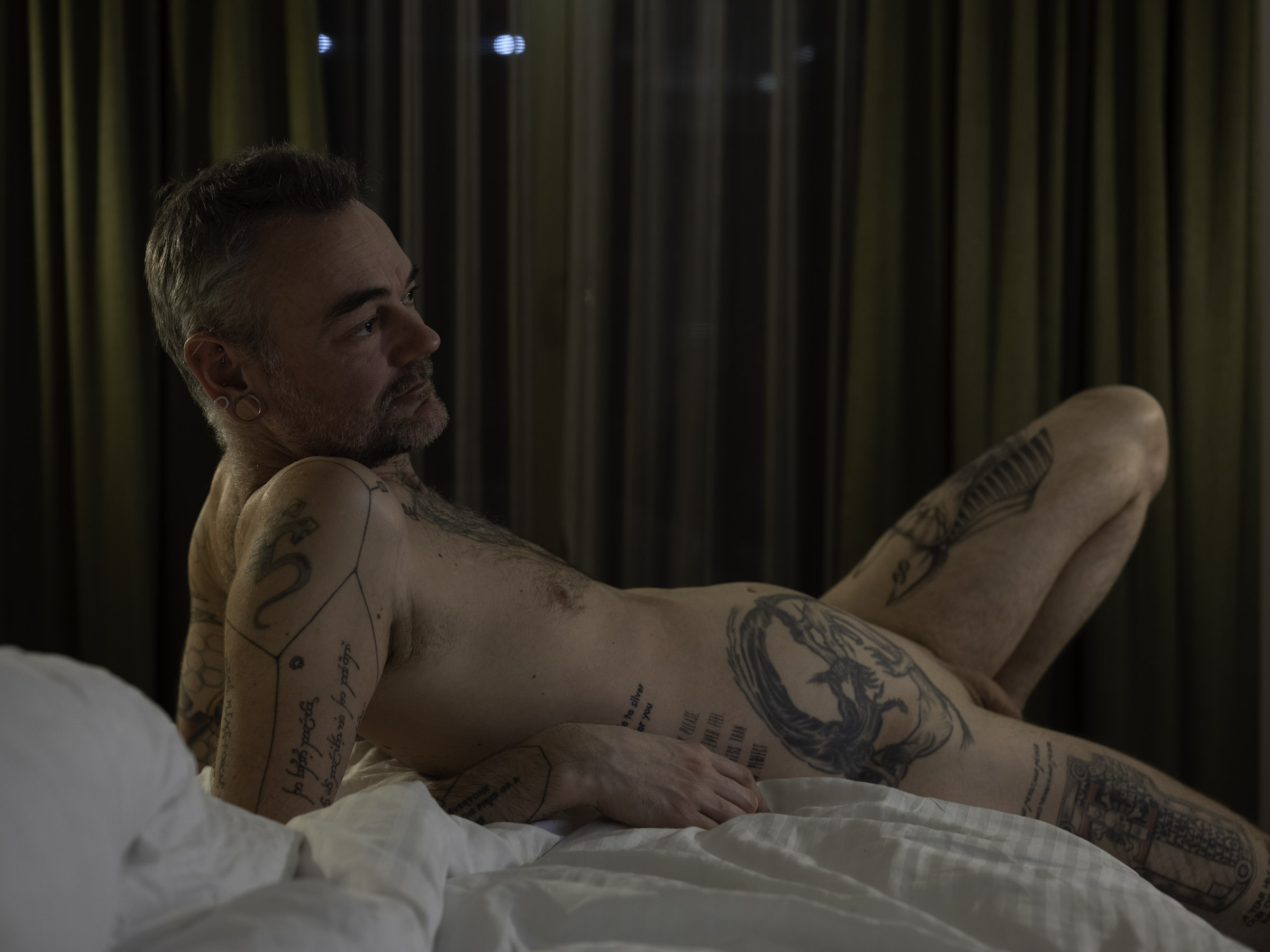
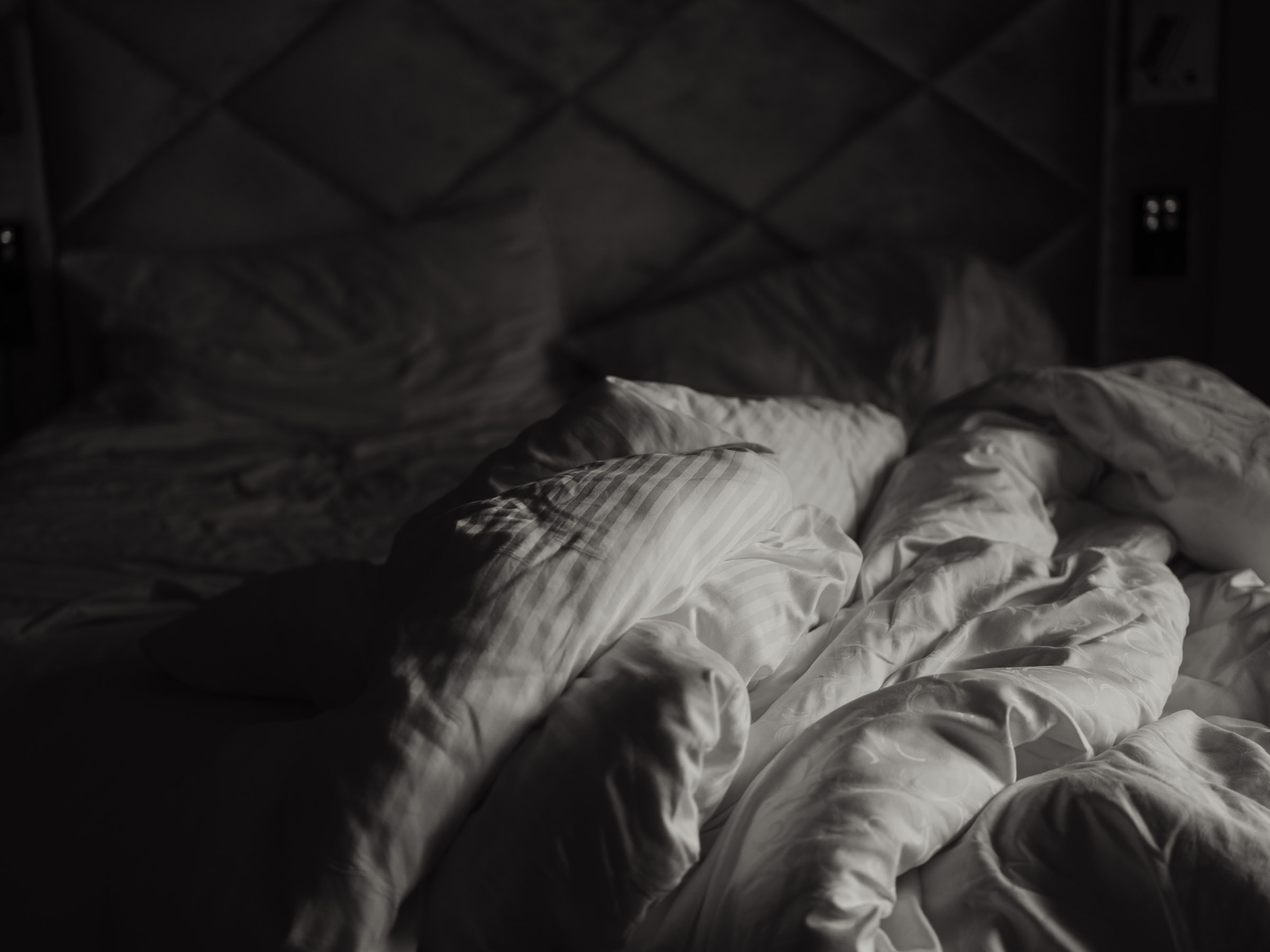
While imagery of the feminine form proliferates throughout media – exposed, studied, and objectified – the masculine body remains largely uncharted territory. Drawing from my background in editorial photography, I navigate beyond conventional boundaries, mapping not just bodies, but the intimate topographies of individuals within their most private spaces.
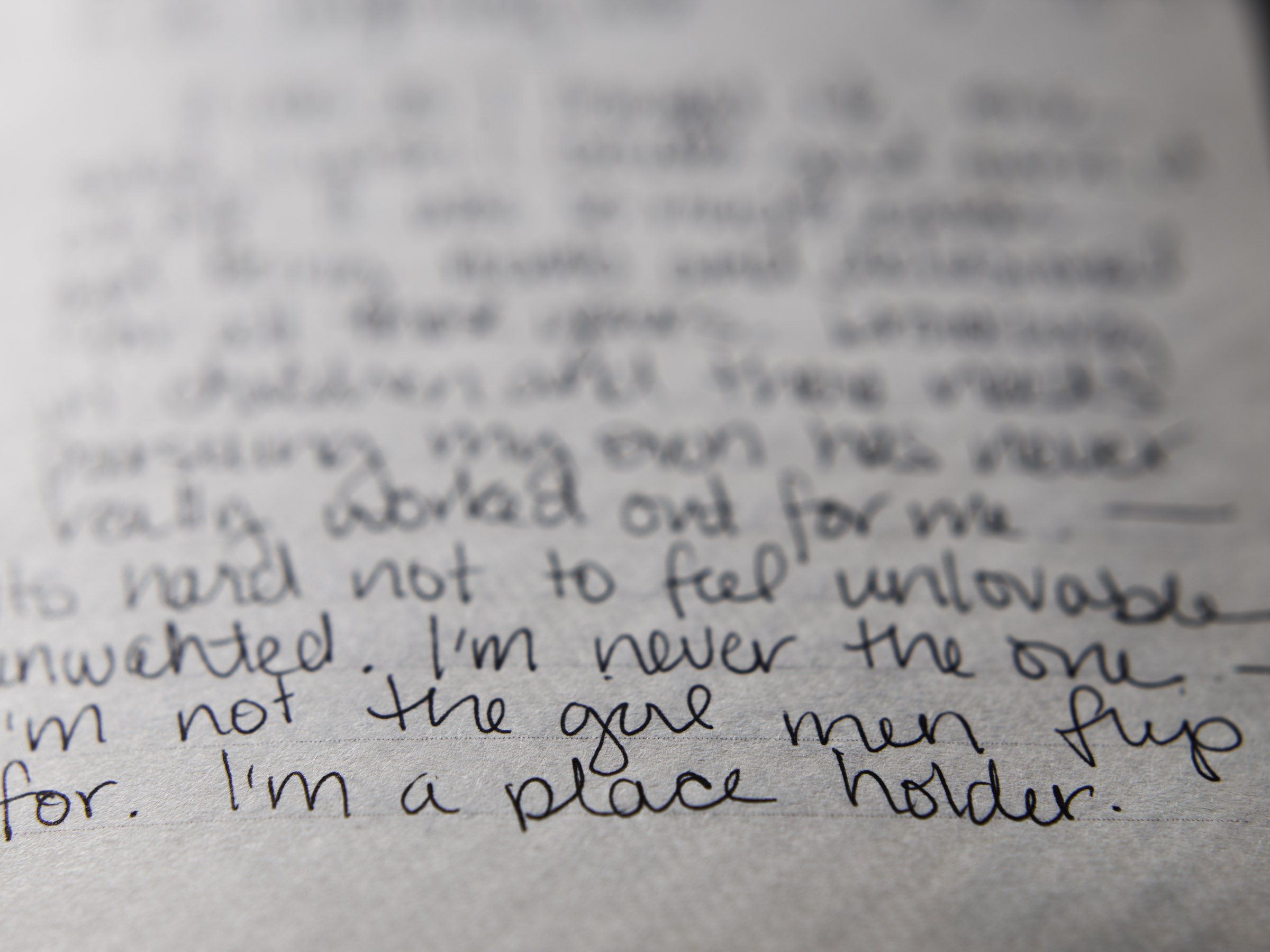
This series charts unexplored terrain in masculine vulnerability while mapping the complex coordinates of gaze, power, and intimacy. Like a cartographer of human connection, I document our essential need to belong, to be seen, to be understood. Through these images, I explore the space between – between subject and viewer, between power and vulnerability, between instinct and intimacy.
When I picked up my camera eight years ago, something shifted. I no longer felt invisible. I felt powerful. What began as an expression of freedom after my divorce evolved into a journey of confidence. Behind the lens, I entered intimate spaces with men where I often felt insecure, but the camera changed our dynamic. I've been able to take that confidence and carry it into my relationships as well.
The taboo nature of my work surprised me. While we increasingly appreciate diverse female bodies, the male nude remains largely absent from artistic conversation. Even my graduate program wouldn't allow me to show my thesis because of an unwritten "no penis" policy. I believe we've been conditioned by our culture to see the female form as inherently more beautiful – a perspective I challenge through my work.
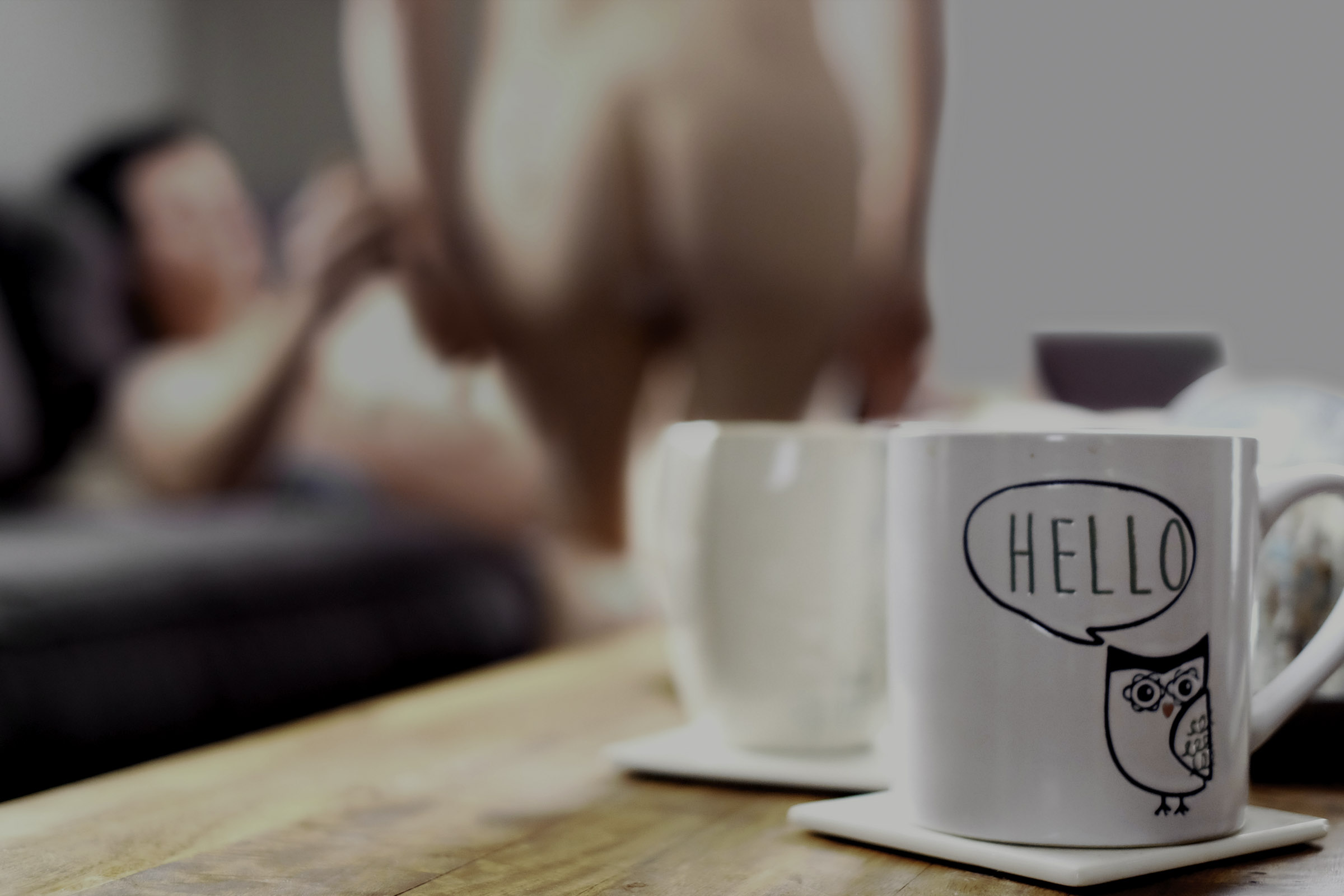
Using dating apps to find subjects created unprecedented dynamics. There's no real precedent for these kinds of pairings, so we redefined roles together. This opened unique spaces for vulnerability – both physical and emotional. Men shared stories of trauma, illness, and loss. We bonded over relationship struggles and single parenthood. These conversations revealed our shared humanity in profound ways.
The power dynamics proved more complex than I initially thought. During one session, a subject began masturbating, explaining it was "wonderfully erotic to be the focus of such an attractive woman." I realized then that my assumption about reversing traditional roles wasn't entirely accurate – I was still an object of desire, clothed behind my lens, a role I couldn't escape. Yet many models worked with me specifically to gain confidence in a non-sexual context, to simply exist comfortably in their own skin.
This project transformed me. After a 16-year marriage where I "modeled who he wanted me to be," I reconnected with my authentic self. I've seen men's insecurities about their bodies and recognized our common humanity. I've grown comfortable in my own skin. Most importantly, I learned we can experience profound connection multiple times in life – it may not last forever or be reciprocated, but my heart remains capable of those feelings.
The choreography between men and women has been set for generations. Through my work, I've chosen to deviate from these traditional patterns. It's new, sometimes scary, but absolutely worth it.